Chimney Sweep
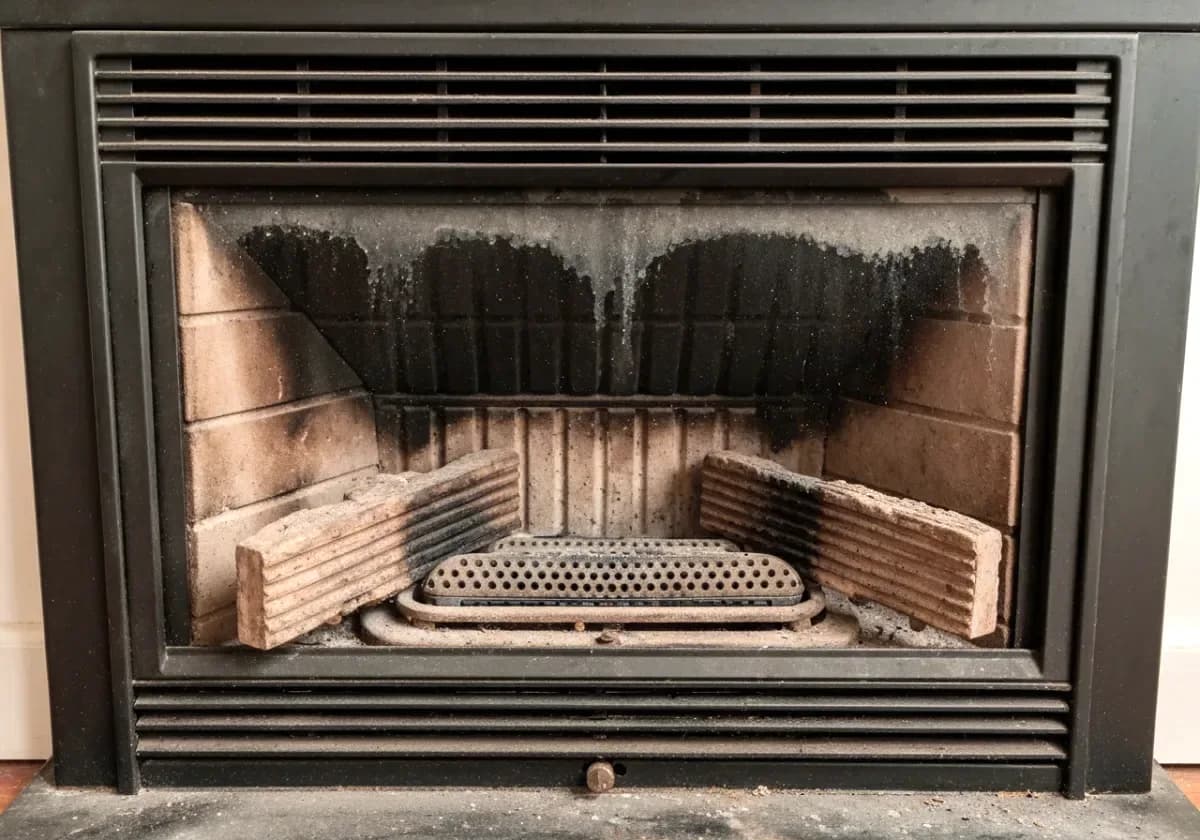
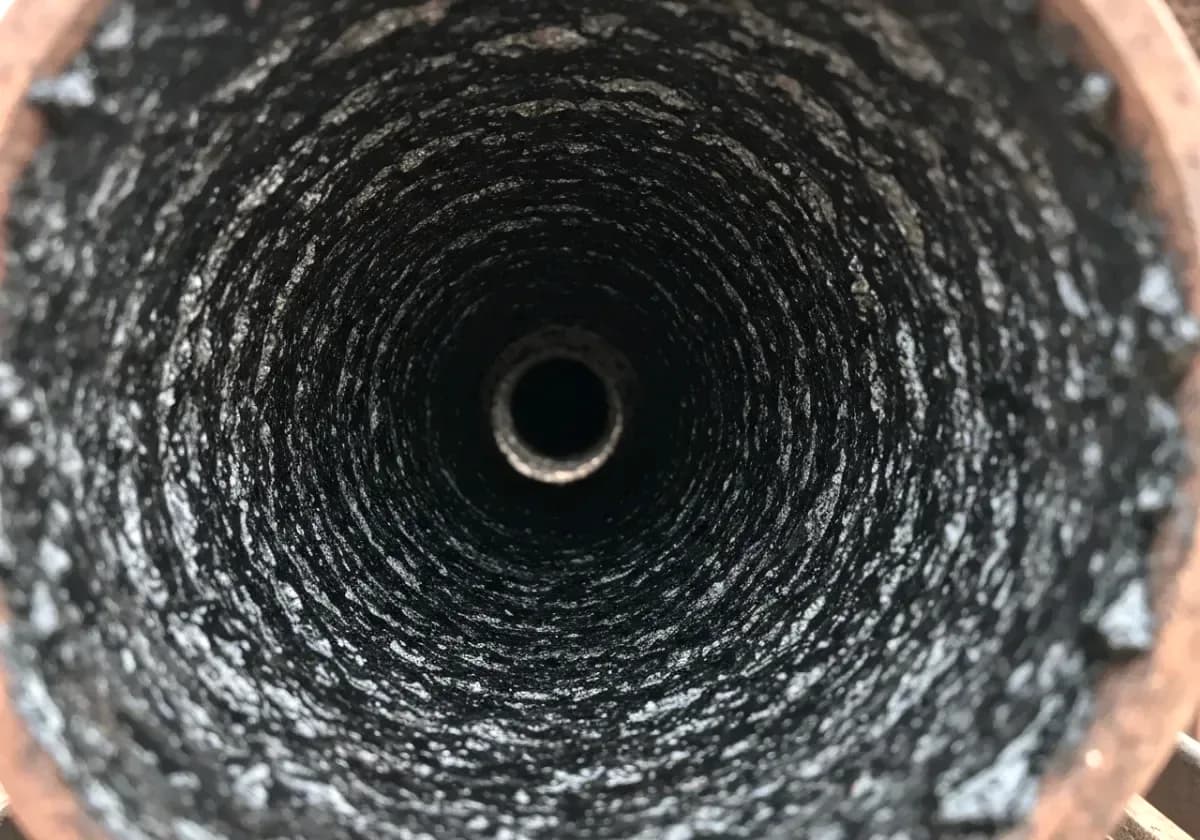
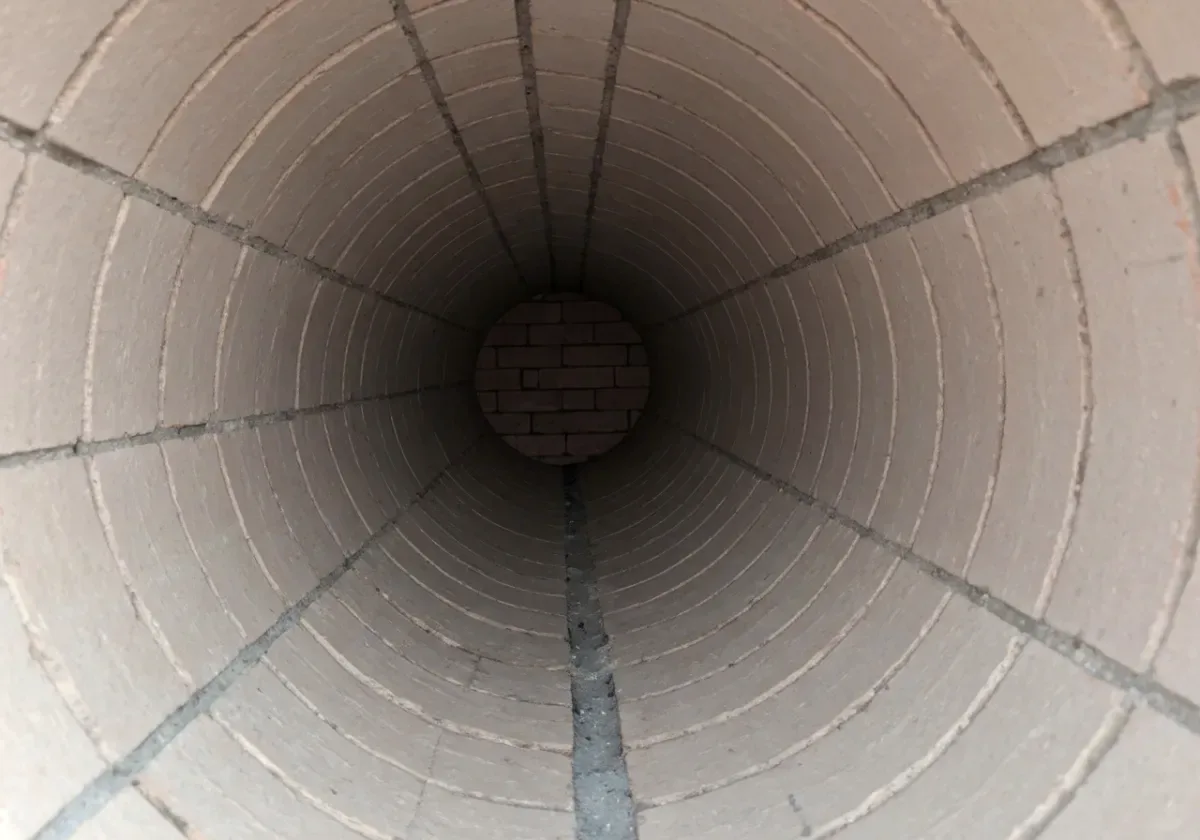
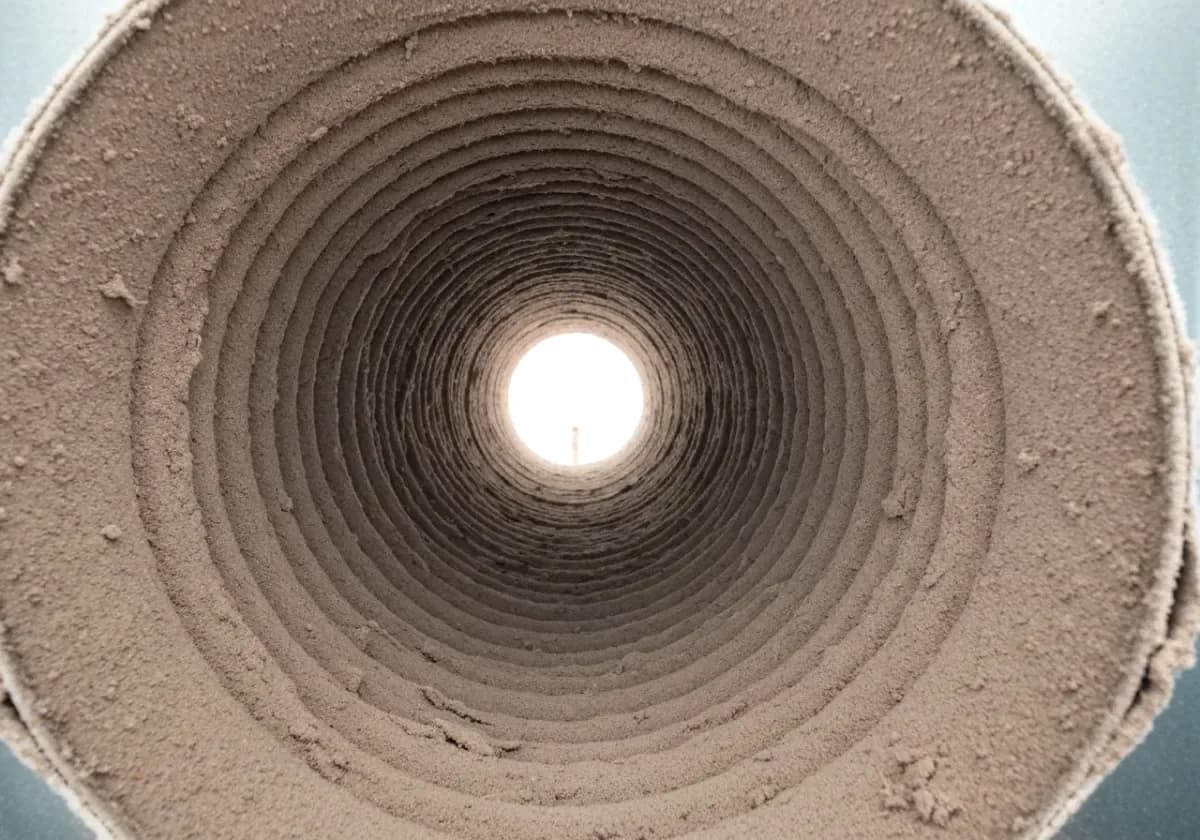
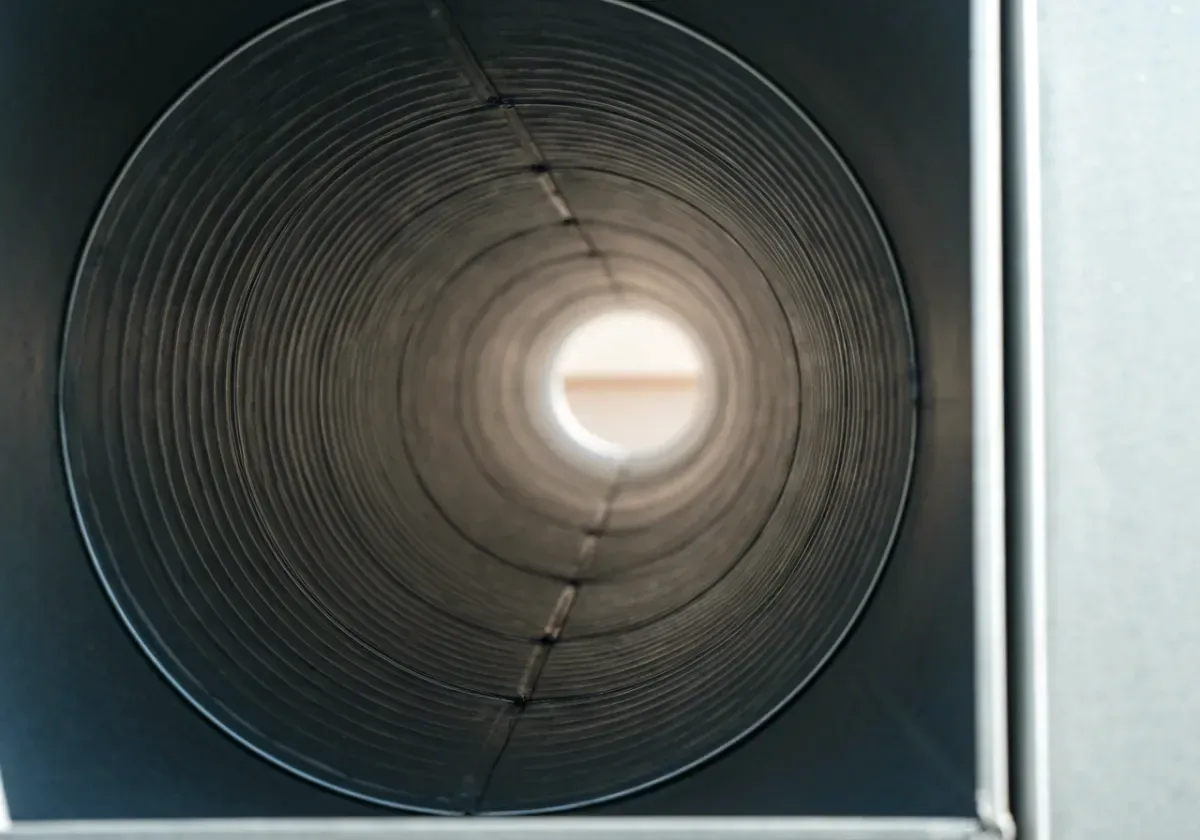
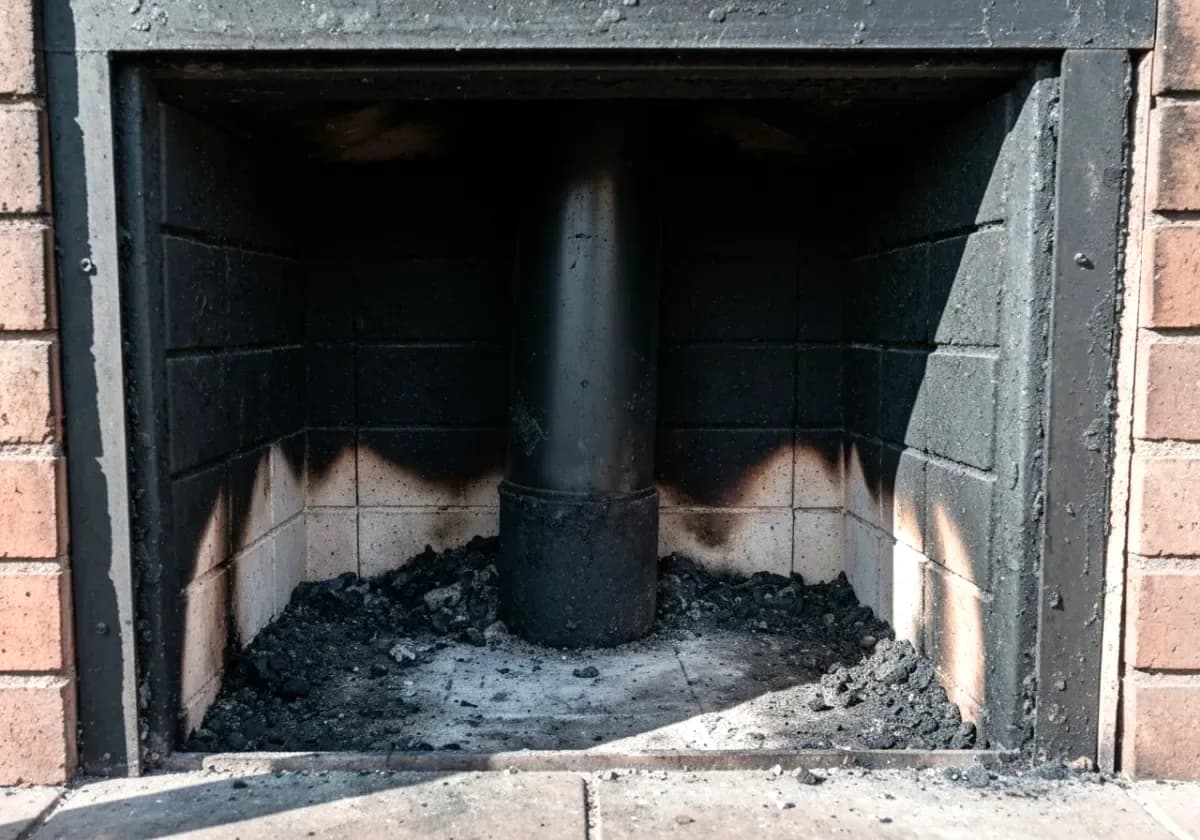
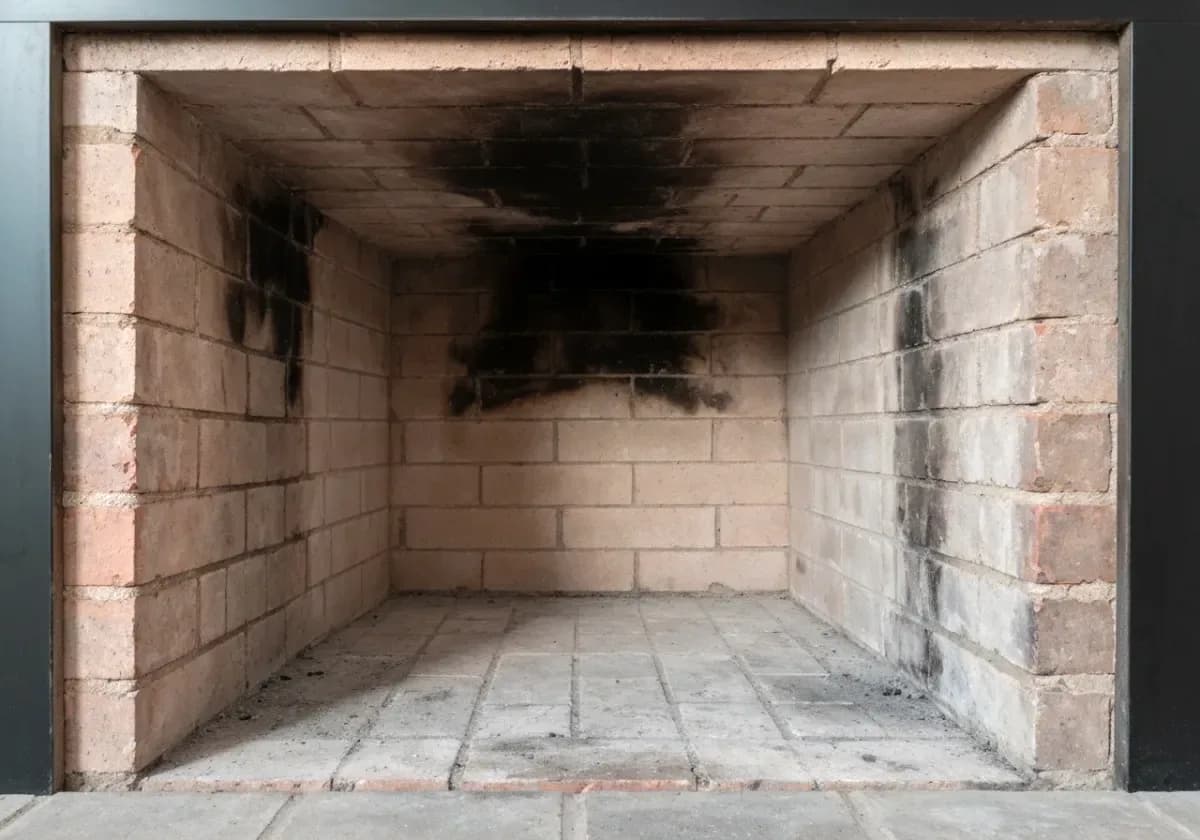
On the left, a flue and smoke chamber wearing a season's worth of soot and young creosote; on the right, the same masonry brushed and vacuumed down to bare surface. A swept flue draws stronger, spills less smoke into the room, and — most importantly — no longer carries the fuel a chimney fire runs on. That's the reasoning behind the NFPA's annual-sweep guidance for wood-burning systems.
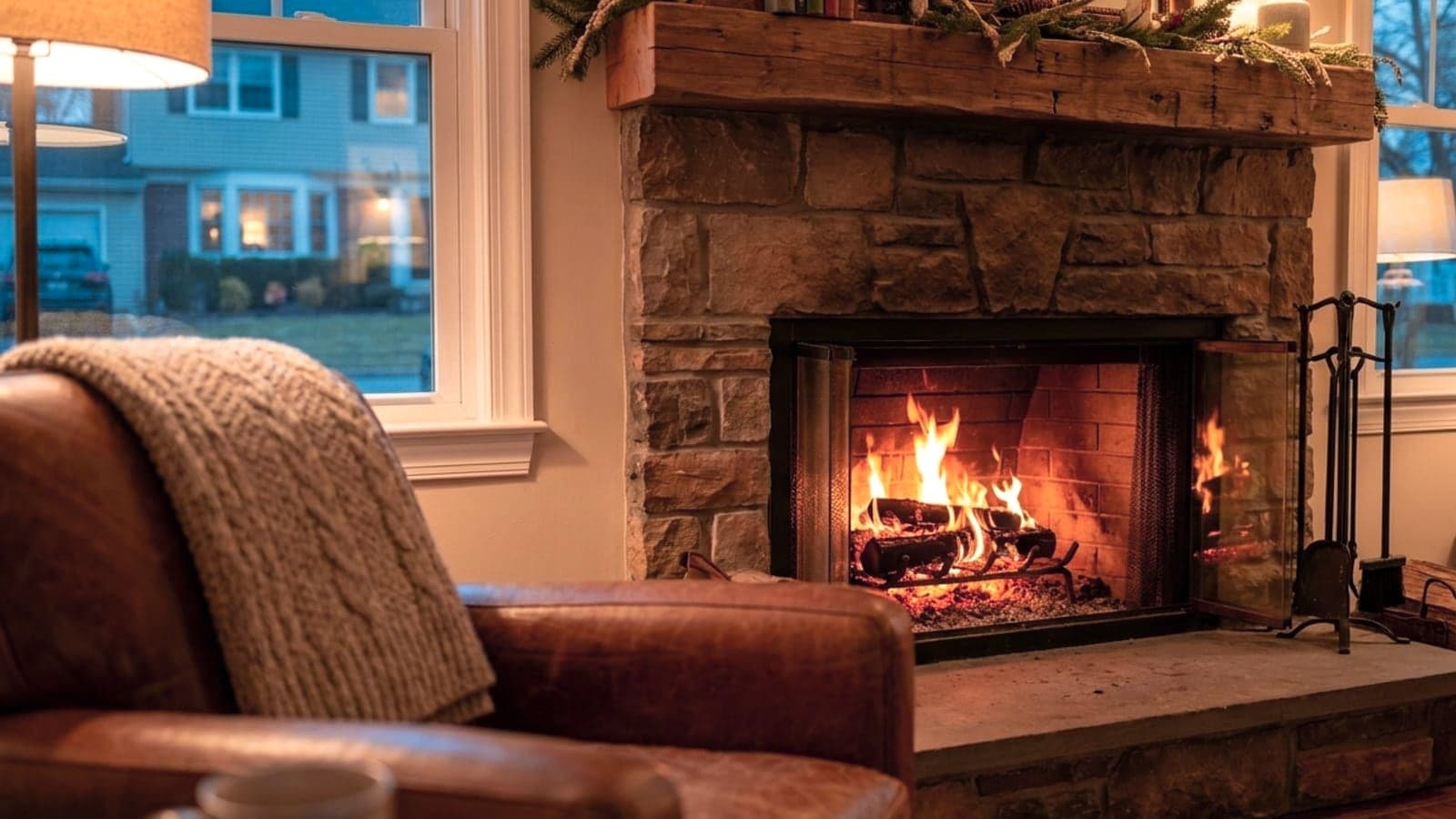
A job we see all winter long: a North End craftsman that's been burning wood since October with no sweep in recent memory. By the first warm week the flue is lined with soot and a starting layer of creosote, and the owner has noticed smoke curling back into the room when a fire gets going. We'd typically scan the flue, sweep it from the smoke chamber up, and vacuum out the firebox — then point out any glazing or moisture staining worth watching. The usual result is a flue drawing cleanly again and an honest read on what next season will need.