University Place, Pierce County
Creosote removal in University Place starts at $245. That figure covers flaky, second-stage buildup that a stiffer brush and rotary tools can take off in one visit. Hard, shiny third-stage glaze takes chemical treatment and sometimes a second visit, so it costs more, and we tell you which stage you have before quoting.
Typical investment
From $245
Book an inspection
Book your $99 inspection
$99 plus tax, deducted when you approve the repair
Not sure where to start
Pick what you're seeing at your University Place home — we'll point you to the right fix.
What we do
The same crew, the same written quote — for University Place homes.
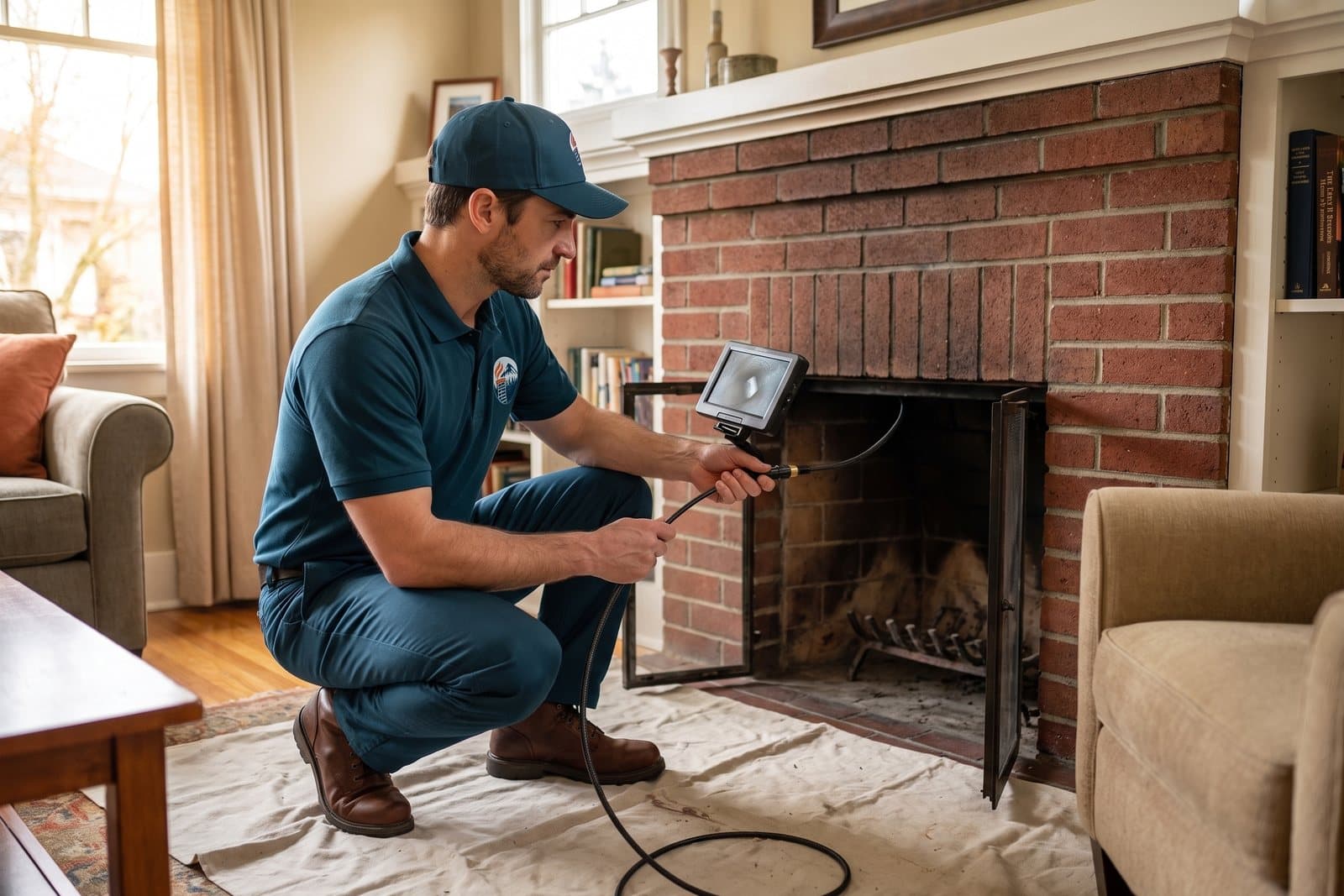
Level 1 or Level 2 as needed; Level 2 includes a camera run through the entire flue
Learn more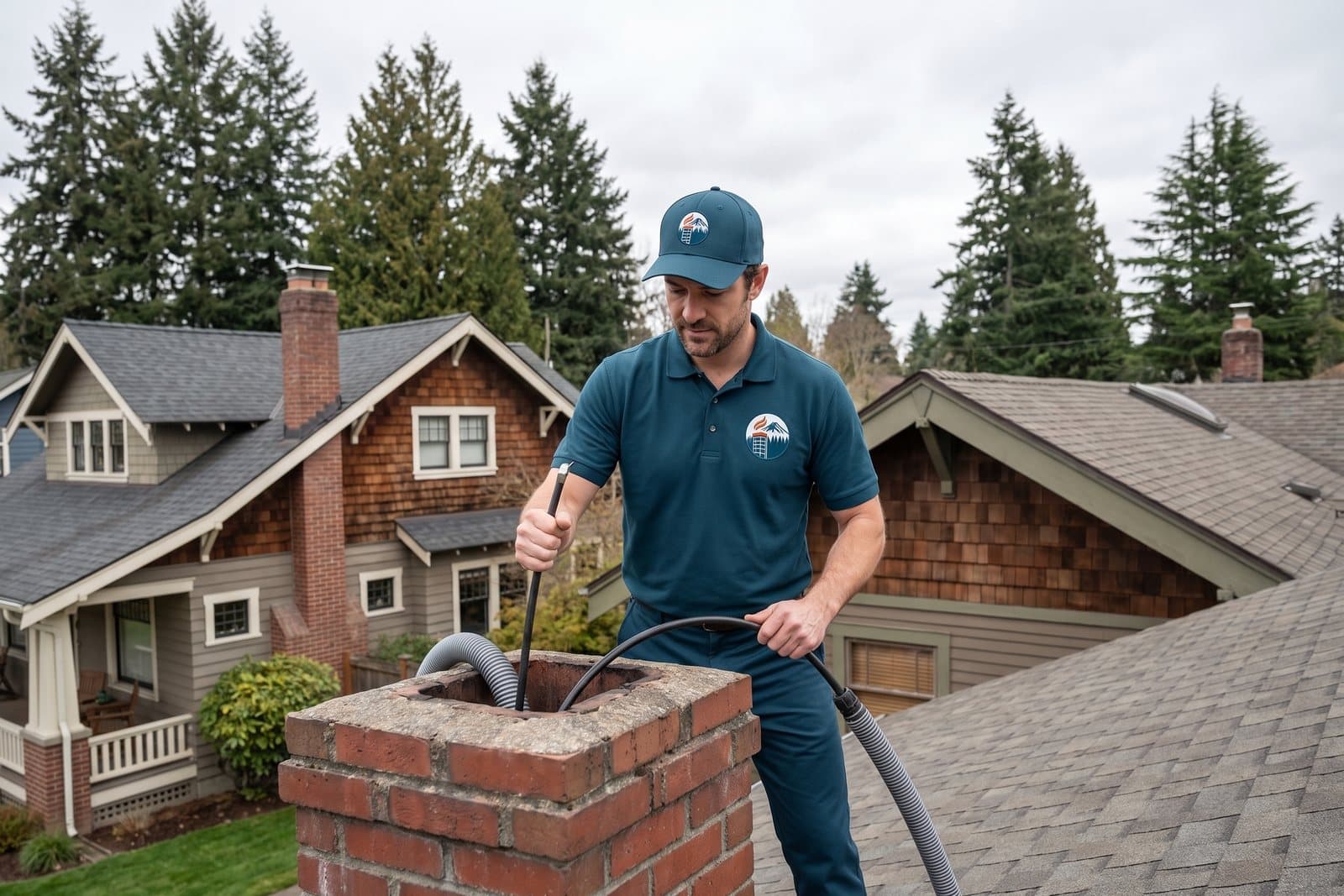
Top-to-bottom brushing of flue and firebox under drop cloths, with a HEPA vacuum pulling the dust
Learn more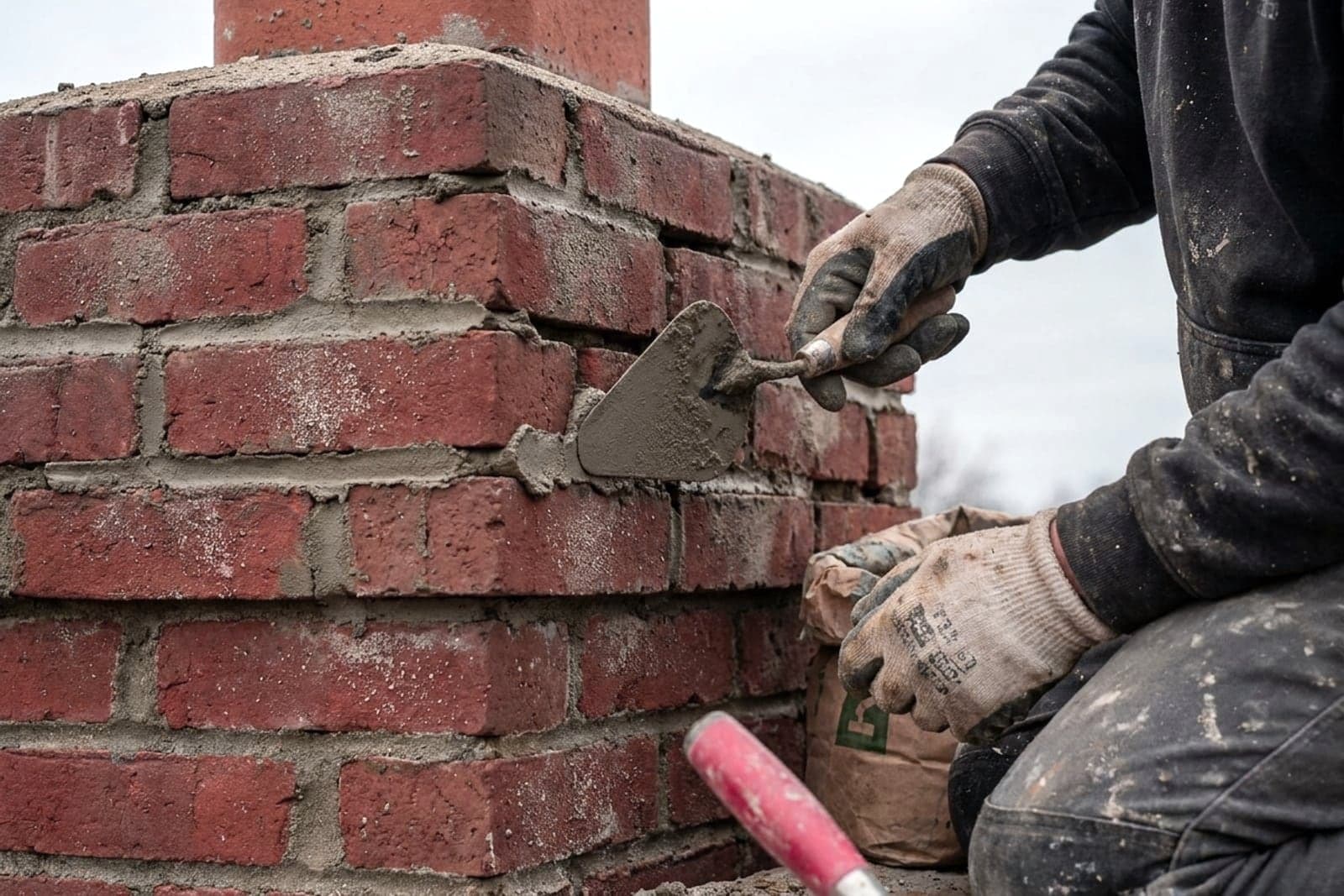
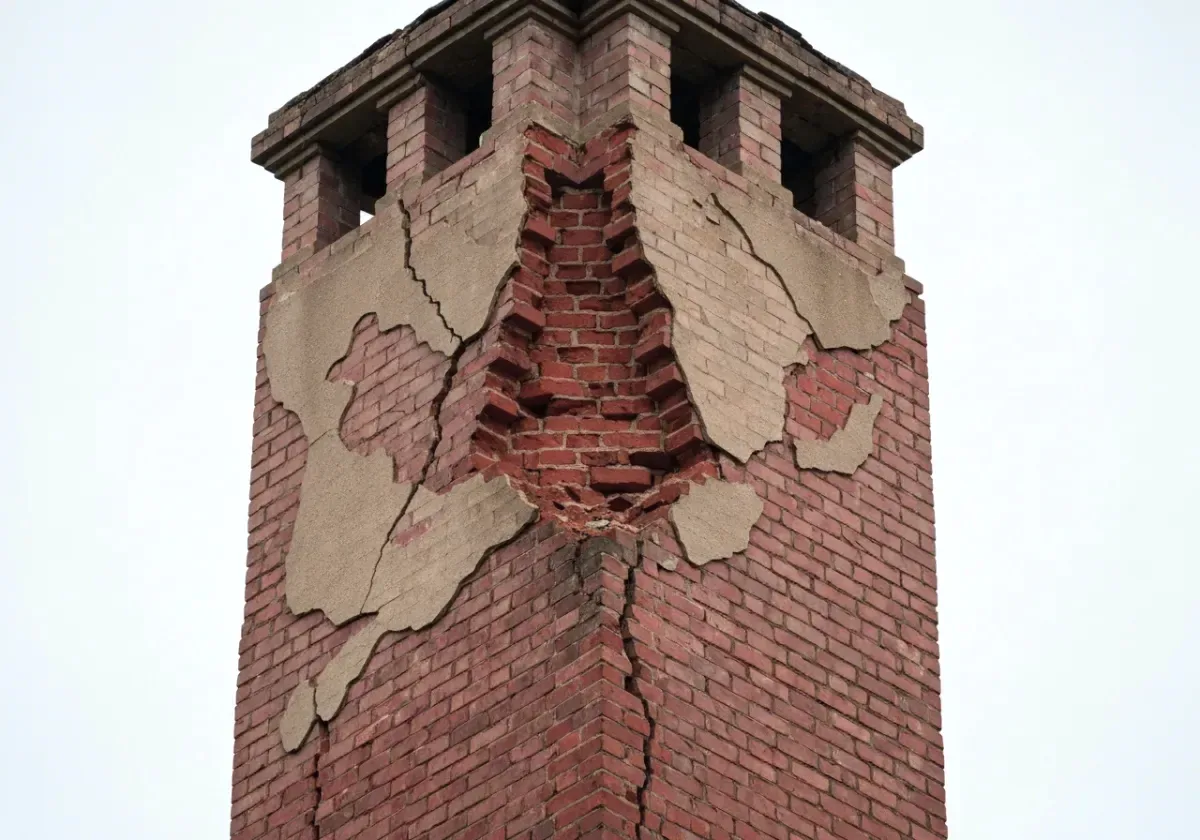
Loose or damaged brick, open joints and firebox panels repaired
Learn more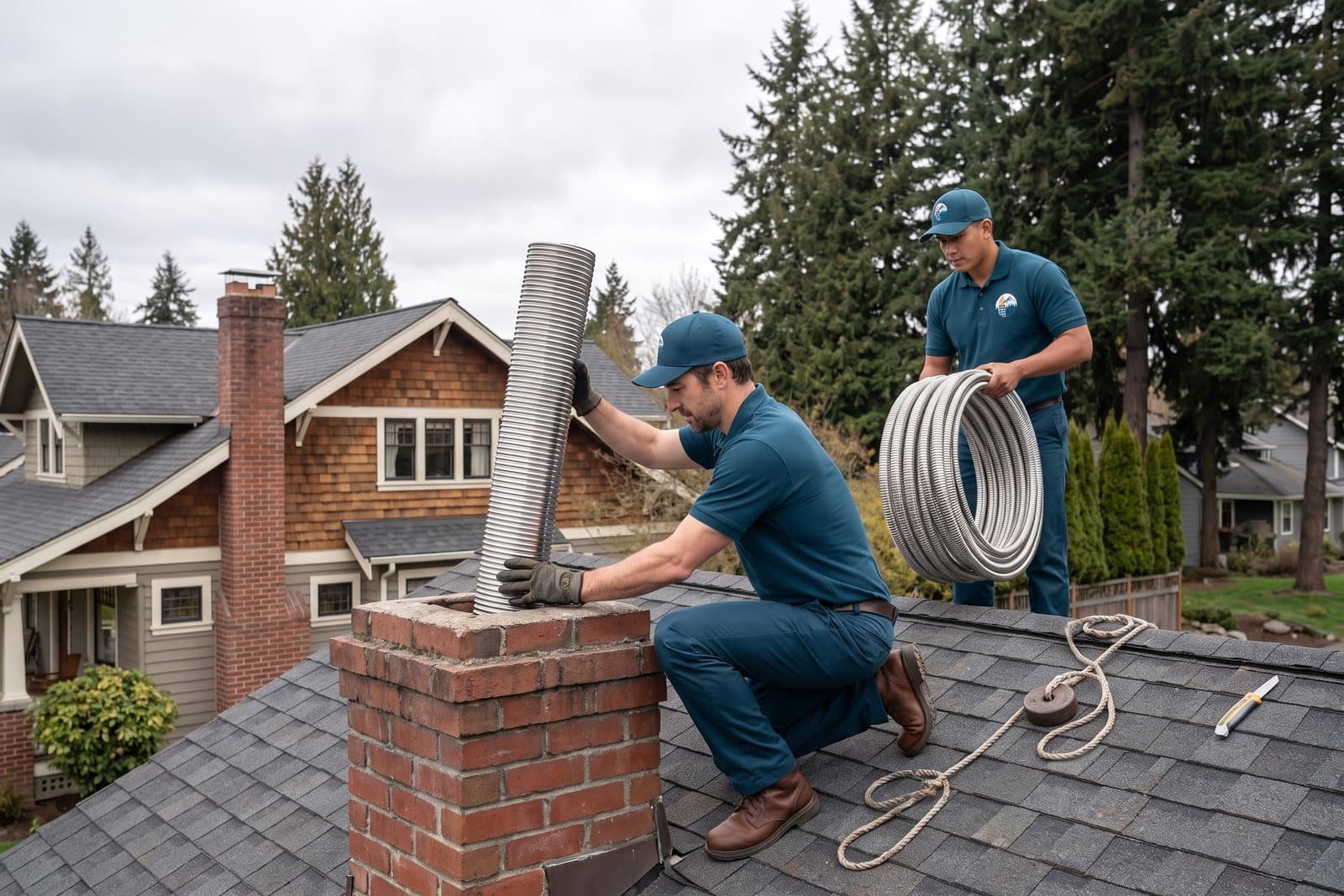
A full-length stainless-steel or cast liner, firebox to chimney top
Learn more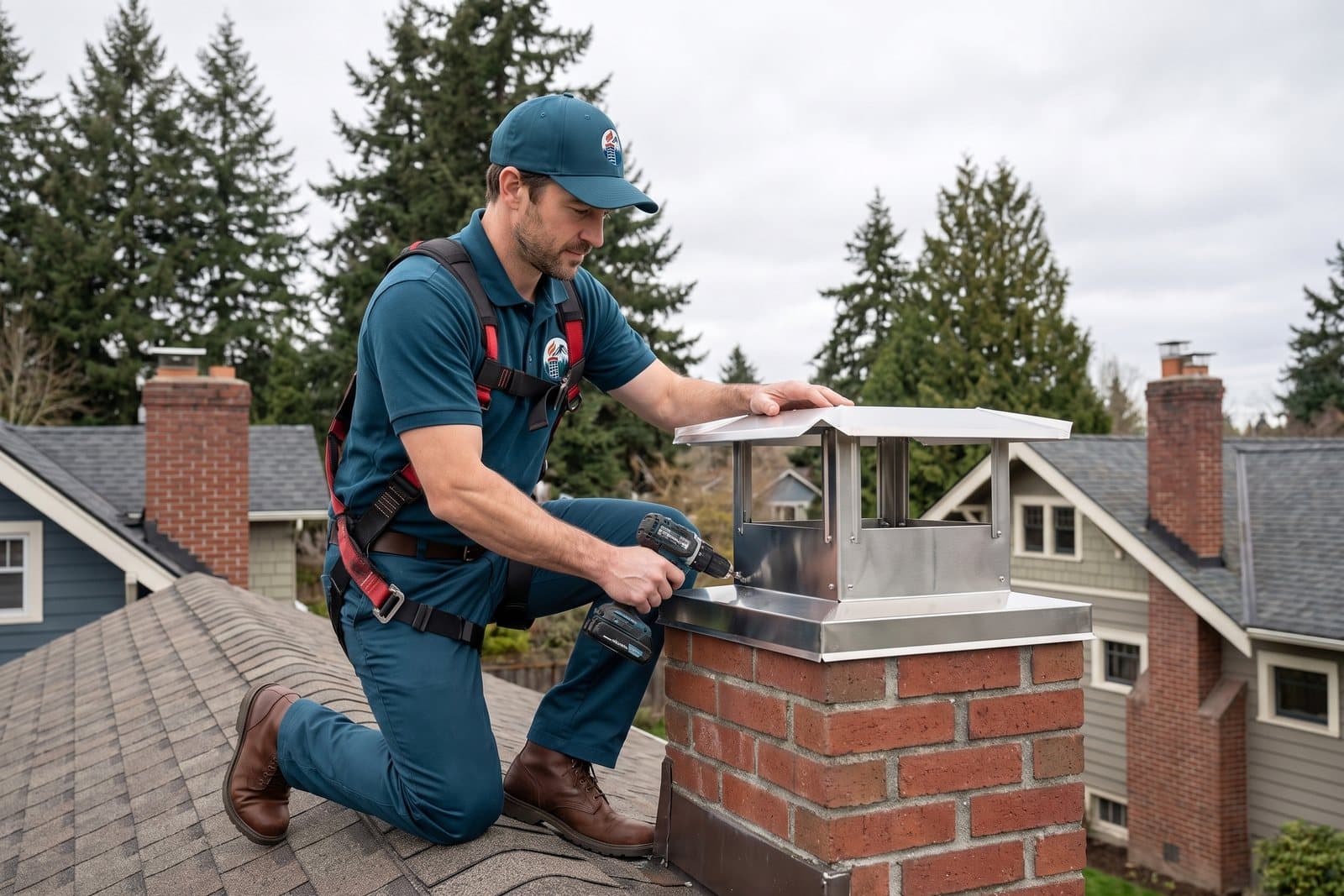
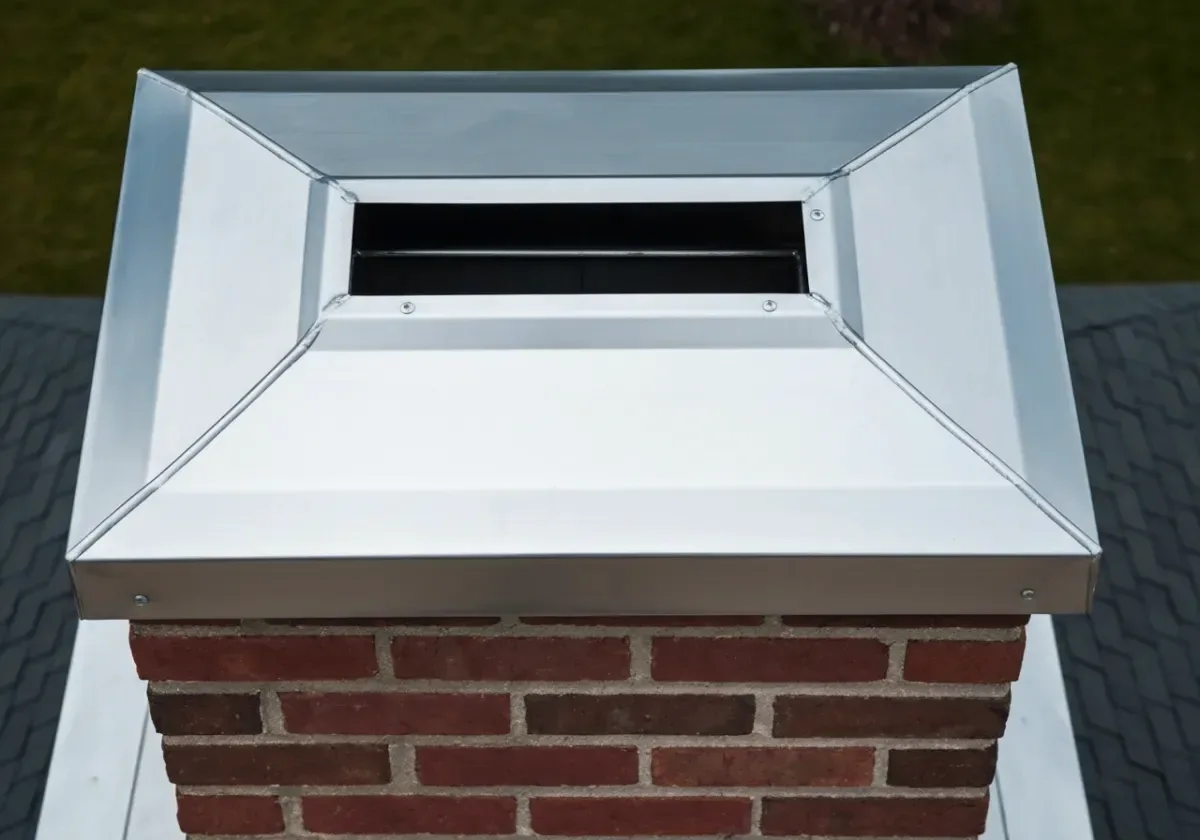
A stainless cap sized to your actual flue dimensions
Learn more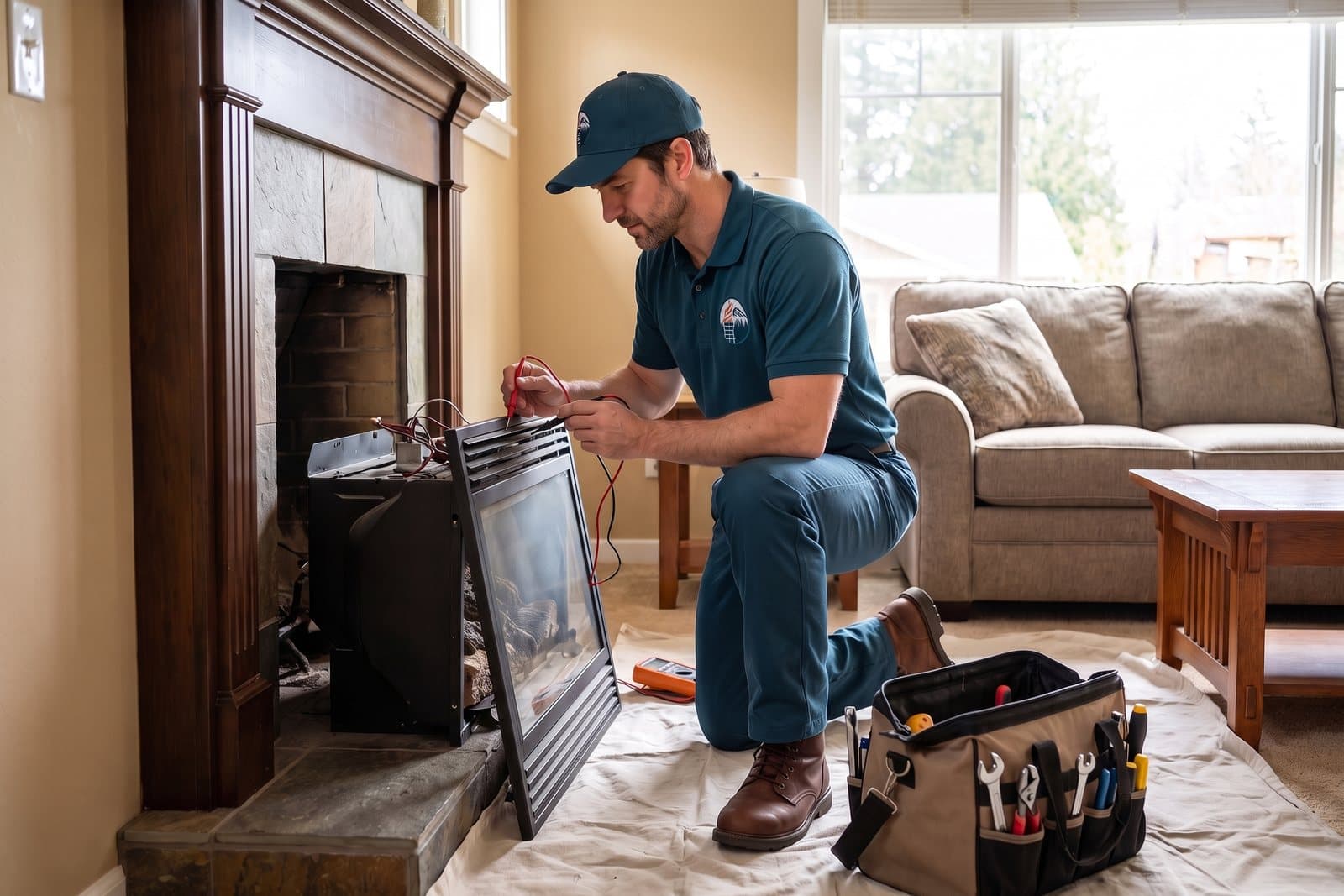
Burner, pilot assembly and valve cleaned and adjusted
Learn moreRanges shown for orientation — the exact figure is written up on-site, after the inspection.
Heavy creosote in University Place usually comes from the same few habits: a fireplace or stove that is used a lot but swept rarely, fires kept low and smoky overnight, and wood that was bought or split too late to dry. None of them is unusual. Together, over a few winters, they turn a thin layer of soot into a coating that no ordinary sweep will remove.
University Place has its own share of Puget Sound waterfront, and Chambers Bay, opened as a golf course in 2007, sits right on it. A chimney exposed to weather off the water loses heat quickly at the top, well above the roofline.
Smoke that cools in that last stretch of flue drops its tar on the walls, which is why the heaviest creosote in an exterior chimney often sits near the top. Capping the flue, as the State Fire Marshal urges for all chimneys, stops rain from chilling that upper stretch even more between fires.
A creosote fire throws burning flakes out of the top of the flue. On a Northwest roof those can land on moss, which OSU Extension describes as a mat holding soil and debris. After a dry summer stretch, that is not something you want an ember settling into.
The state residential code sets the mesh of a chimney spark arrestor tight enough to catch half-inch pieces while still letting smoke pass, and requires that the screen can be removed. On a heavily used wood chimney, we check that the screen is intact and clean after every creosote job, since built-up tar can also block it.
Every creosote removal we do in University Place includes:
Smoke coming back into the room, or a smell that won't go? Book the inspection first.
Book nowCreosote is fuel. According to the State Fire Marshal, drawing on federal figures, 77% of U.S. home heating fires in 2024 began in a chimney, a flue or a fuel burner. A glazed flue is the setup for that kind of fire, and many chimney fires are quiet enough that the owner never notices, apart from damage we later find on the tiles.
We look at the flue walls with a camera and tell you whether you have soot, flaky buildup, or glaze.
Rotary heads cut the hardened layer. Glaze gets a chemical treatment that turns it brittle first.
Everything loosened is swept down and vacuumed, including what lands on the smoke shelf.
With the walls clean, we look for cracked tiles or warped metal that would point to a past chimney fire.
Firewood left uncovered around here does not get much of a chance to dry. July, the driest month at the Tacoma #1 station, averages only 0.74 inches of precipitation, but rain returns hard by November, when the same station averages 6.82 inches. Wood split in the fall and burned that winter is still wet.
The regional clean air agency limits what goes in a firebox here to dry, seasoned wood or manufactured logs, and it treats chimney smoke denser than 20 percent opacity, held for over six minutes of any hour, as a violation. Those limits exist for air quality, but they also describe a fire that leaves far less creosote behind.
What this work is quoted at for University Place homes — the exact figure comes from the $99 on-site inspection, credited toward the work.
| Service | Price in University Place | What that covers |
|---|---|---|
| Creosote Removal | From $245 | Priced by creosote stage — glazed stage 3 is the heavy end |
| Chimney Sweep | $189–$449 | Full flue swept, Level 1 inspection included |
| Chimney Inspection | $99 plus tax | Level 1 visual; Level 2 adds a full camera scan |
| Chimney Relining | From $1,900 | Full-length stainless liner, sized to the appliance |
| Chimney Repair | From $375 | Masonry repair — brick and mortar, scoped after diagnosis |
Ranges are what these jobs are quoted at in University Place. The exact figure is set on site after a $99 inspection (credited toward the job if you go ahead), and you approve it before any work starts.
University Place is a city incorporated in 1995 and named for a university campus planned in the 1890s but never built there, on Puget Sound, with homes with a median build year of 1981, about half of them built before 1980.
University PlacePierce County, WA · 47.250, -122.552
Before and after
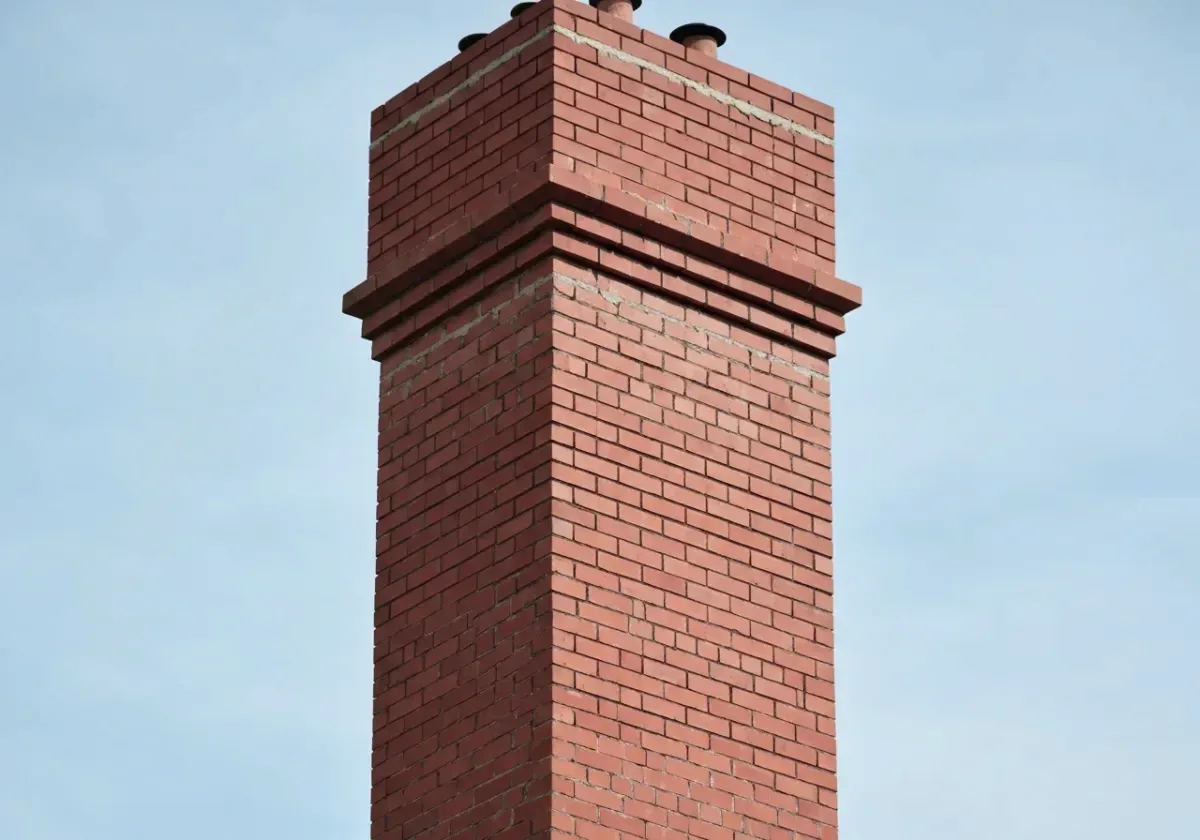
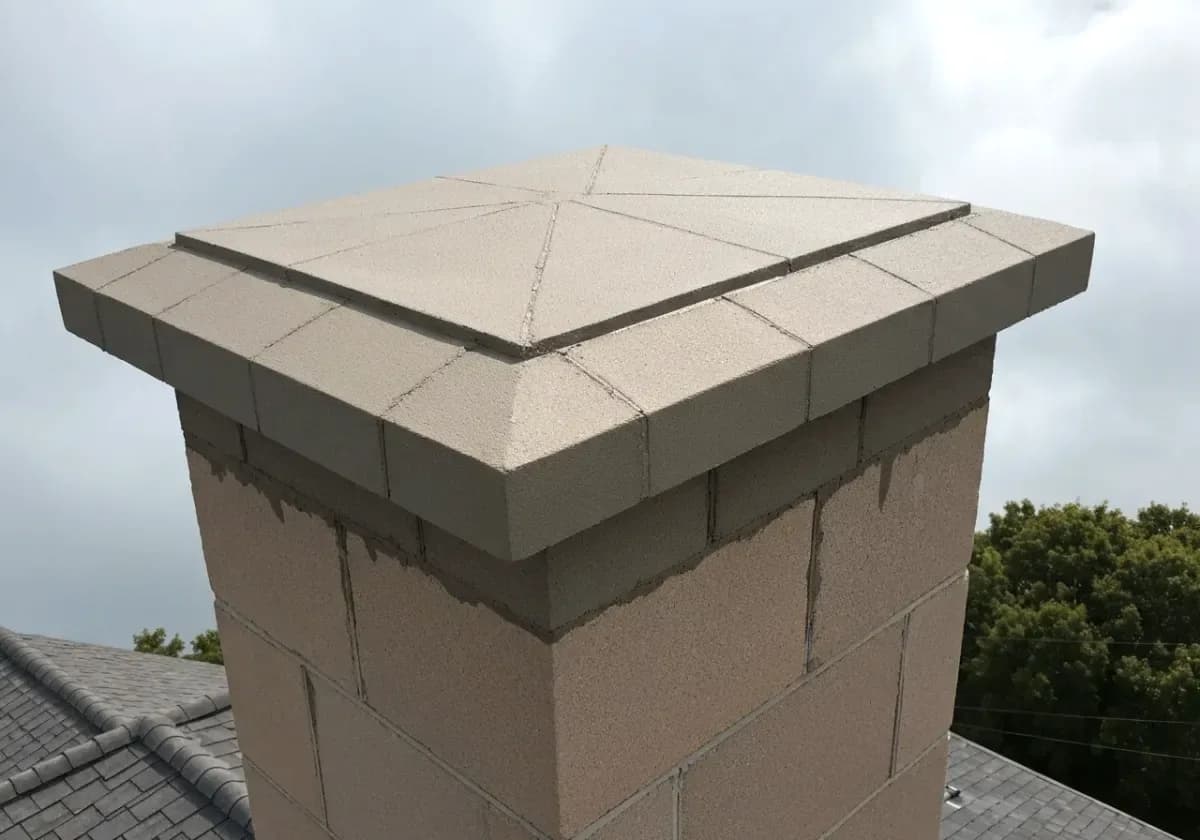
Illustrations of what each repair changes on a typical chimney — not photos of a specific job.
 Before
 After
After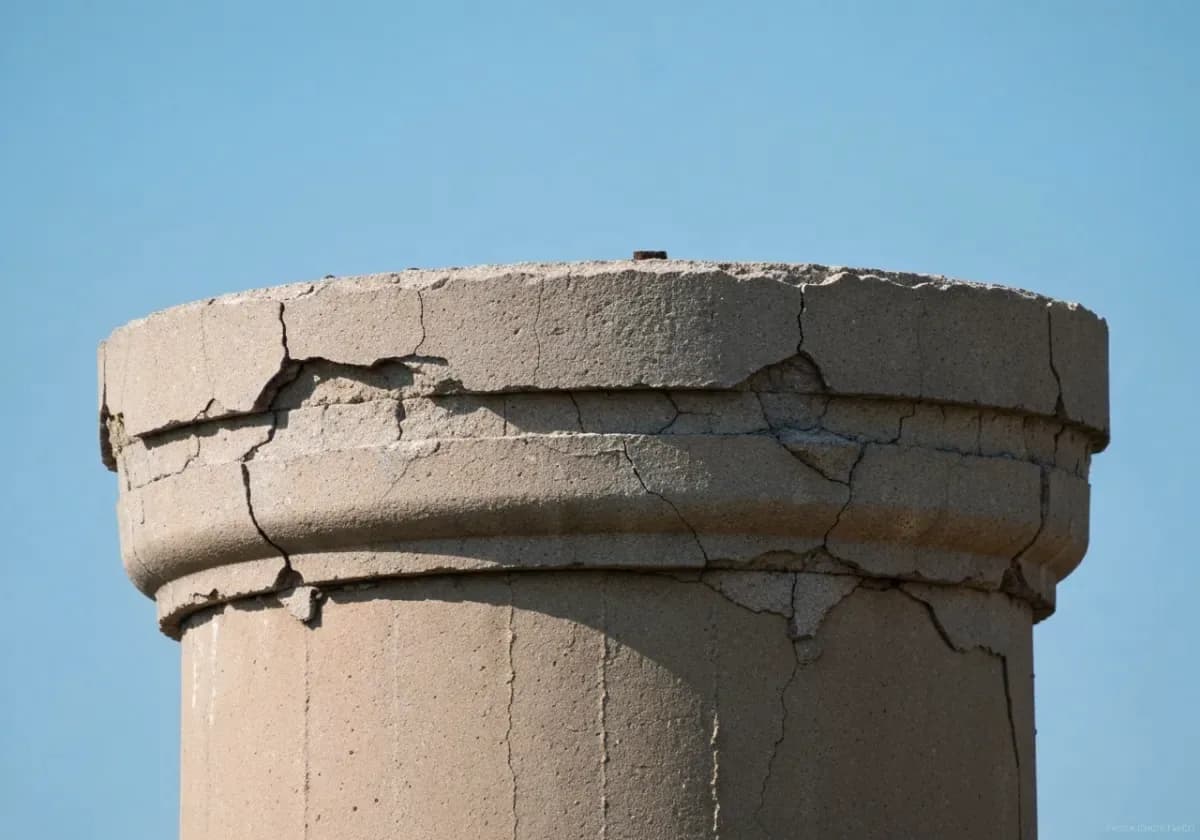 Before
 After
After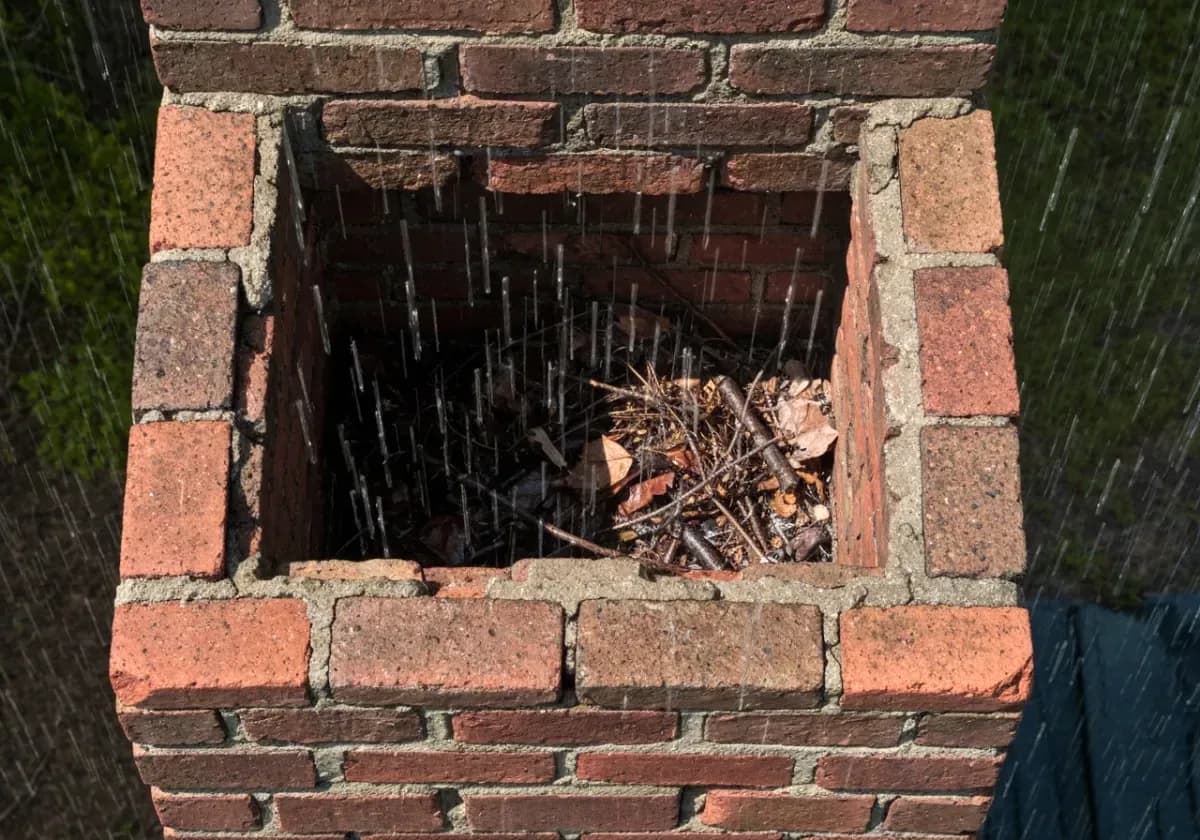 Before
 After
After
Four steps, each one on paper — so you always know what happens next.
Choose a genuine opening on the crew's calendar. Confirmation is immediate.
Liner, crown, cap, flashing and masonry examined in order — each finding photographed.
One document, plain numbers, covering only the work your chimney genuinely needs.
The repair is completed, then handed over with before-and-after photos of every item.
From $245 for second-stage buildup. Glazed third-stage creosote takes treatment and more time, and the quote tells you that before any work begins.
For soot and light buildup, yes. Once creosote has hardened into a glaze, brushes slide over it, and it has to be cut or treated off.
Burn dry, seasoned wood, give the fire enough air, and avoid long smoldering overnight burns. Regional clean air rules already require dry seasoned wood, for the same reasons.
A $99 on-site inspection, a written quote before any work, and photos of every item we touch.