University Place, Pierce County
Dryer vent cleaning in University Place costs $105 to $260. A short, straight path from a ground-floor laundry through an outside wall is the cheapest case; the price climbs for a winding run, an exit on the roof, or birds nesting in the hood. You know the price before we start.
Typical investment
$105–$260
Book an inspection
Book your $99 inspection
$99 plus tax, deducted when you approve the repair
Not sure where to start
Pick what you're seeing at your University Place home — we'll point you to the right fix.
What we do
The same crew, the same written quote — for University Place homes.
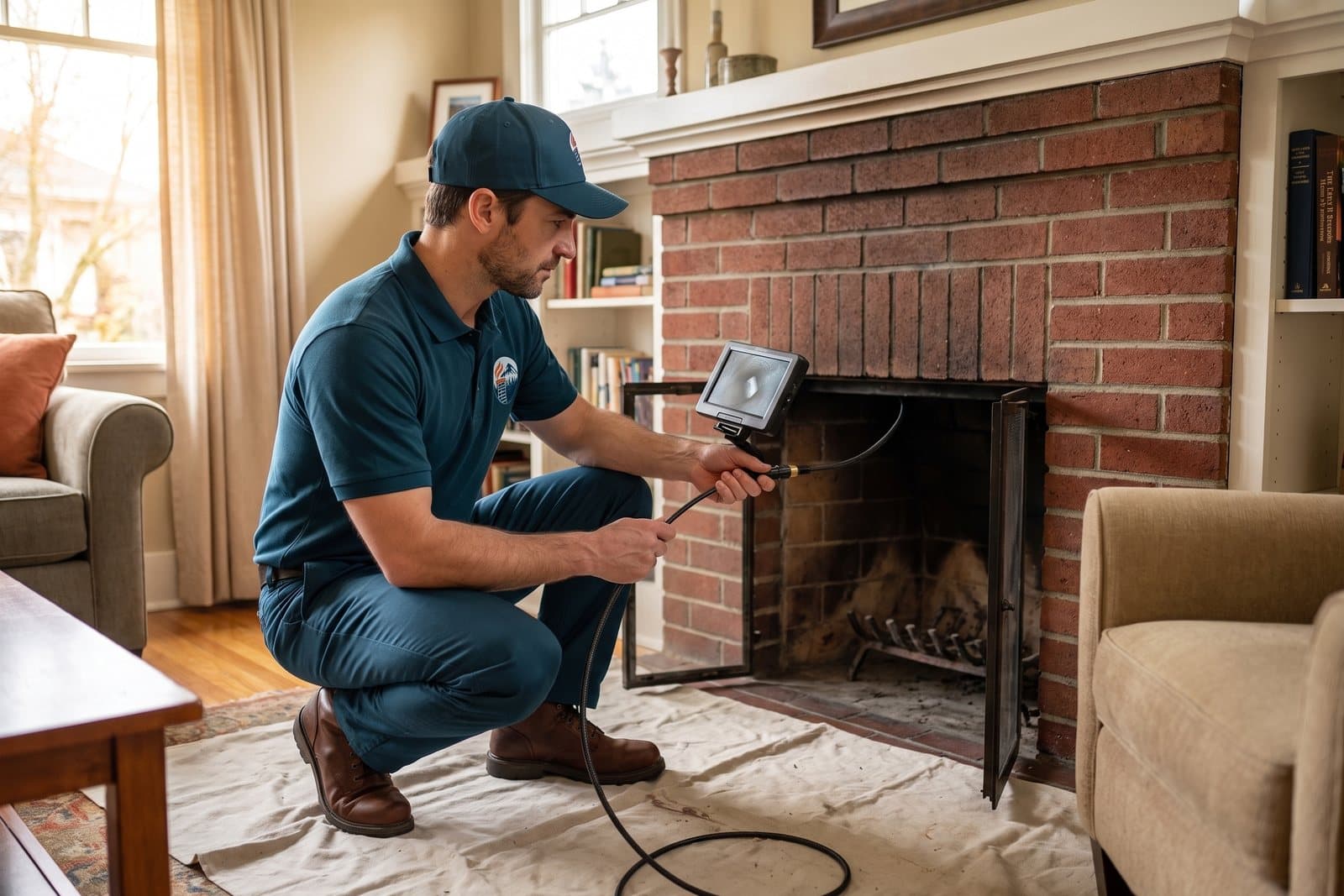
Level 1 or Level 2 as needed; Level 2 includes a camera run through the entire flue
Learn more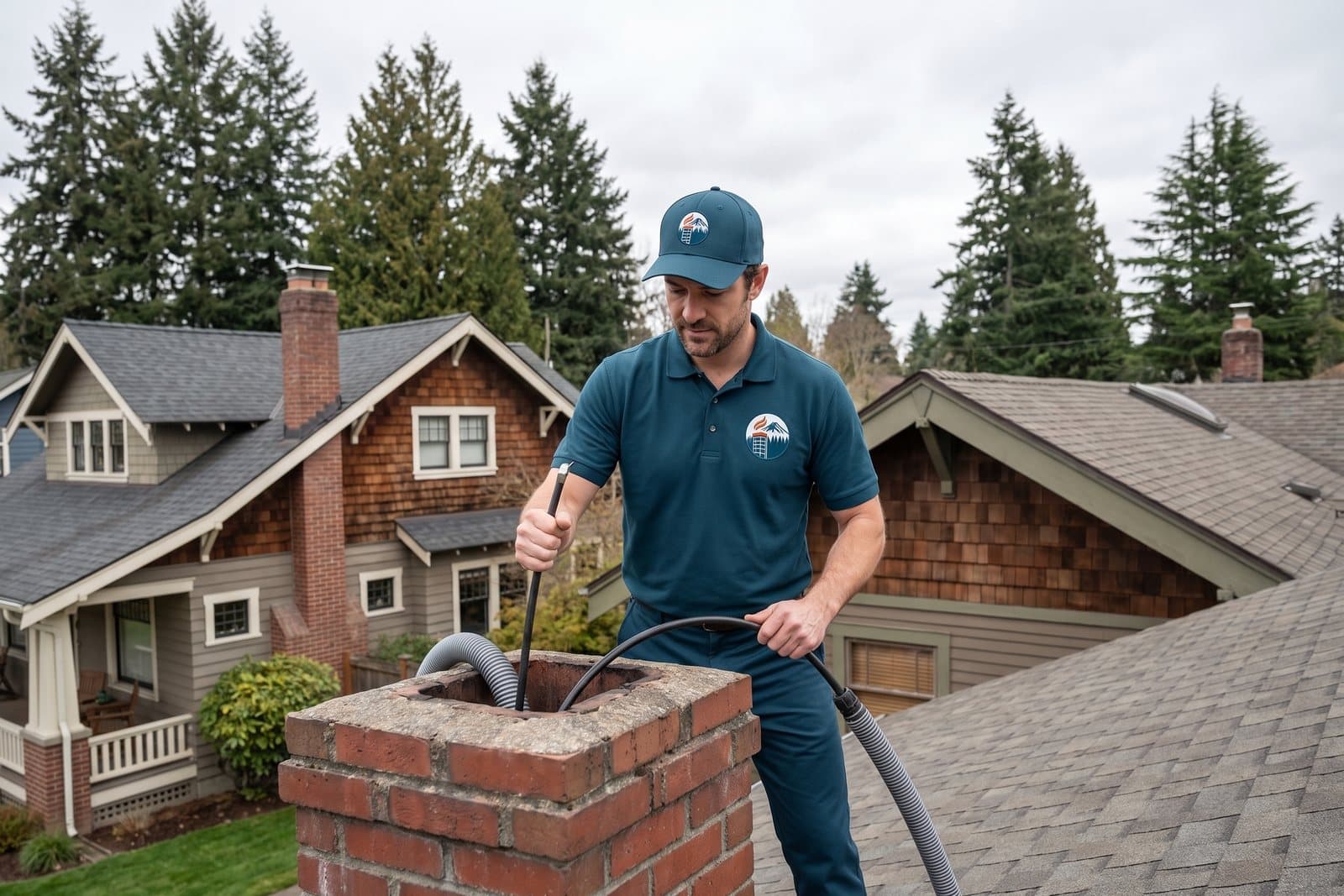
Top-to-bottom brushing of flue and firebox under drop cloths, with a HEPA vacuum pulling the dust
Learn more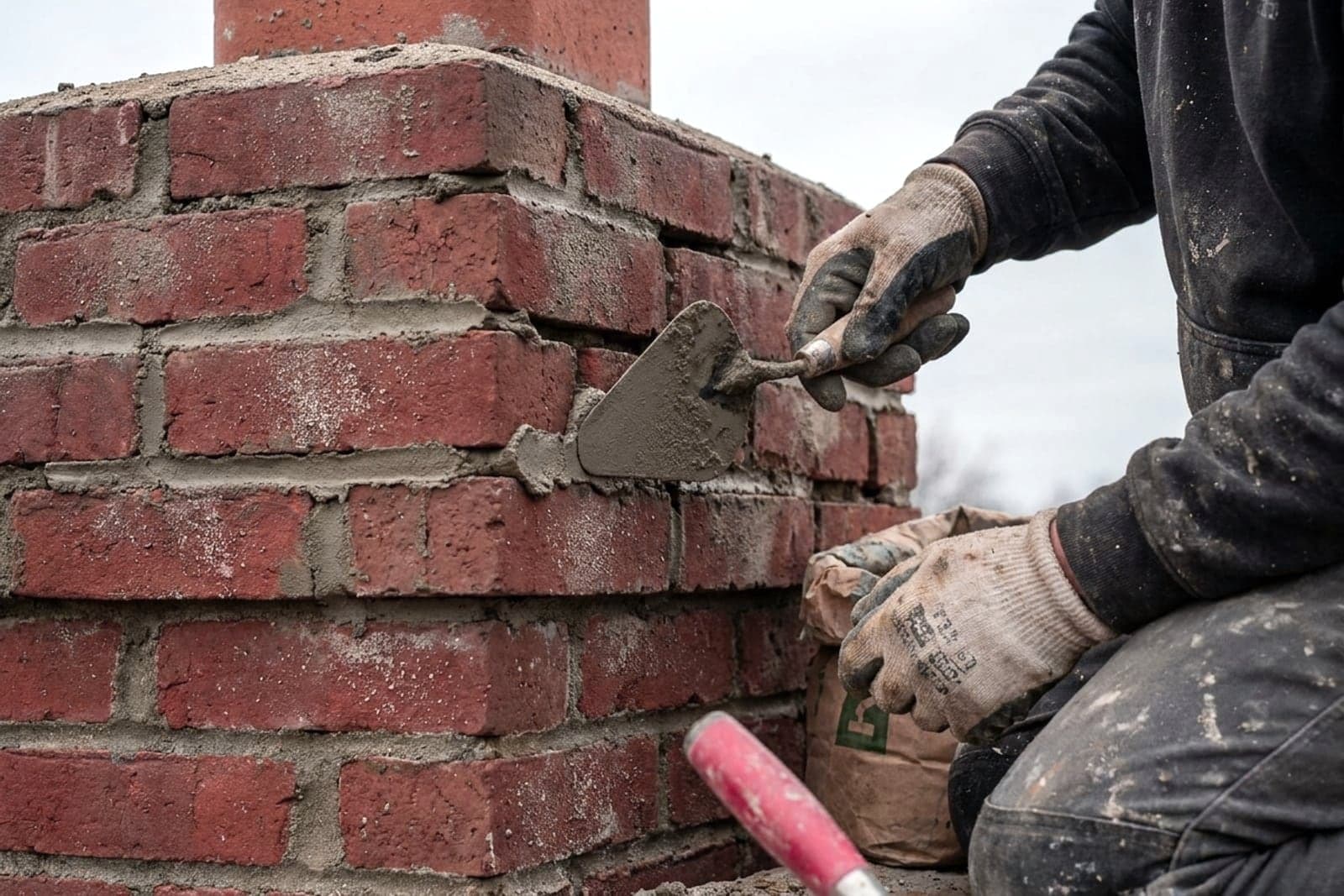
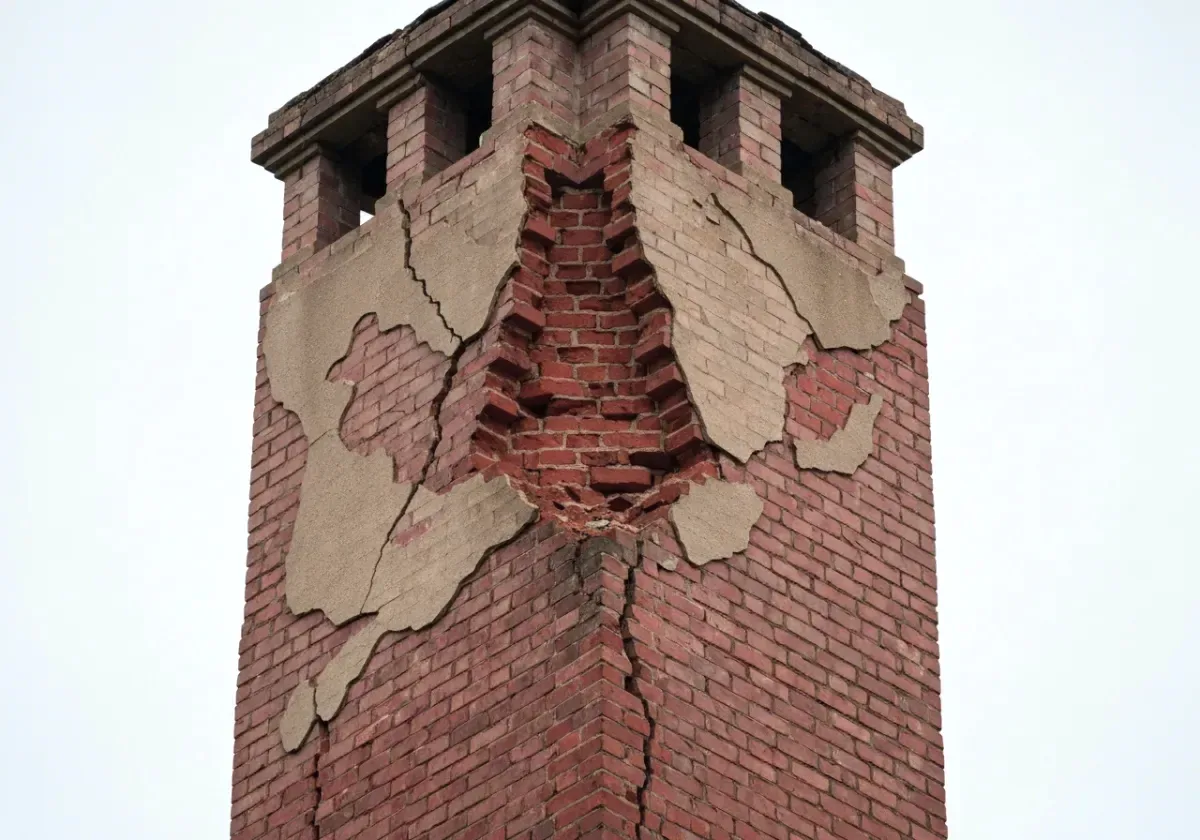
Loose or damaged brick, open joints and firebox panels repaired
Learn more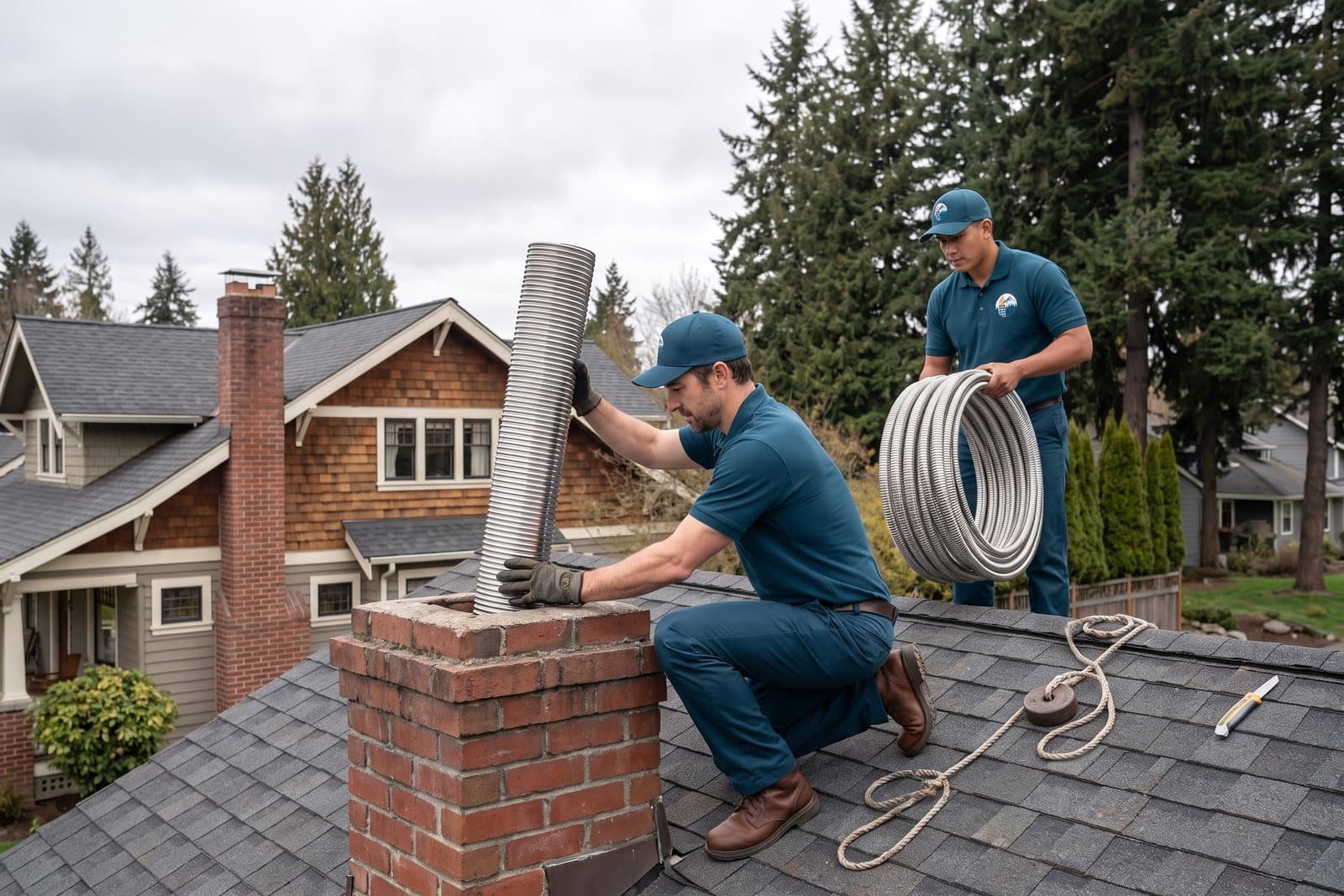
A full-length stainless-steel or cast liner, firebox to chimney top
Learn more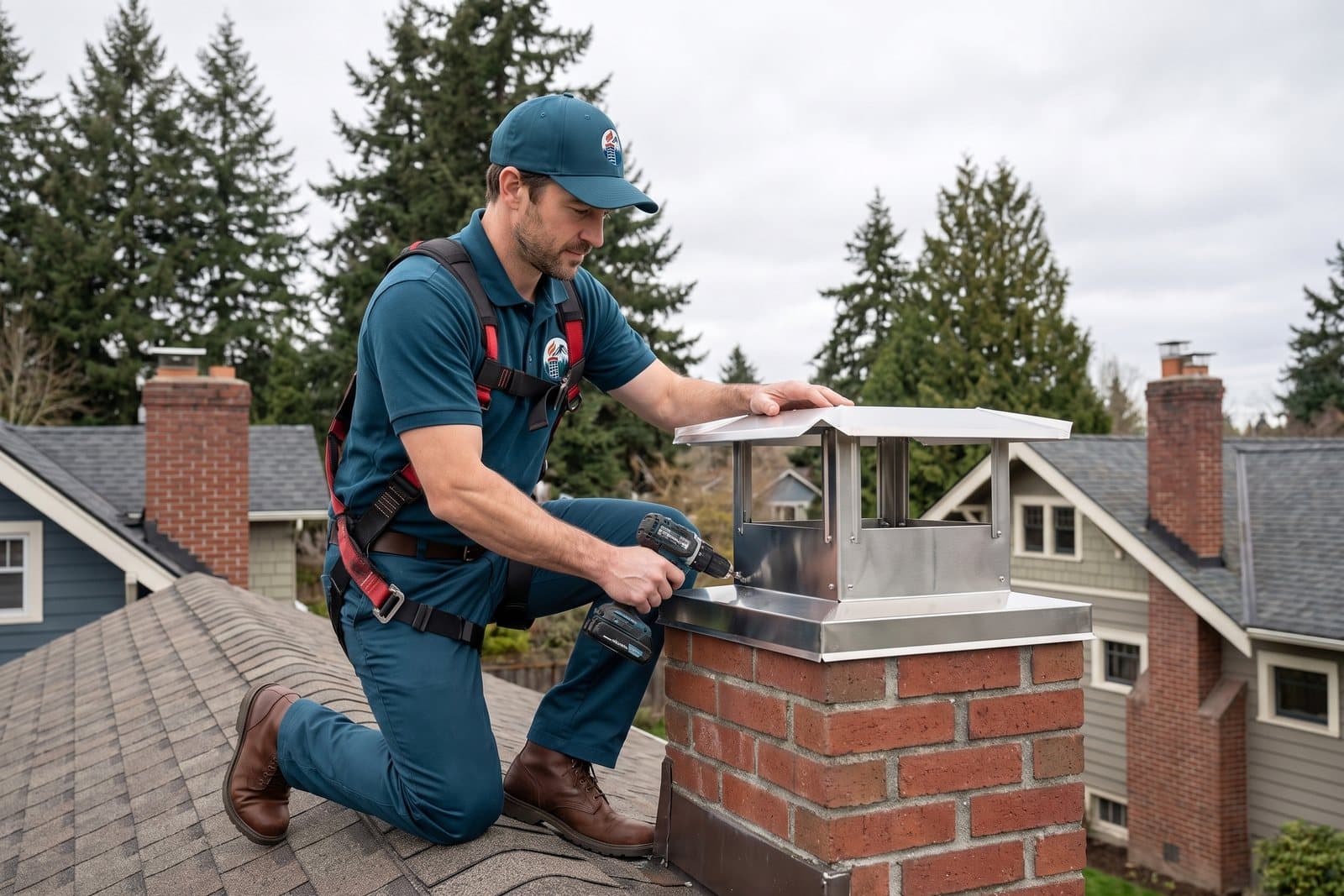
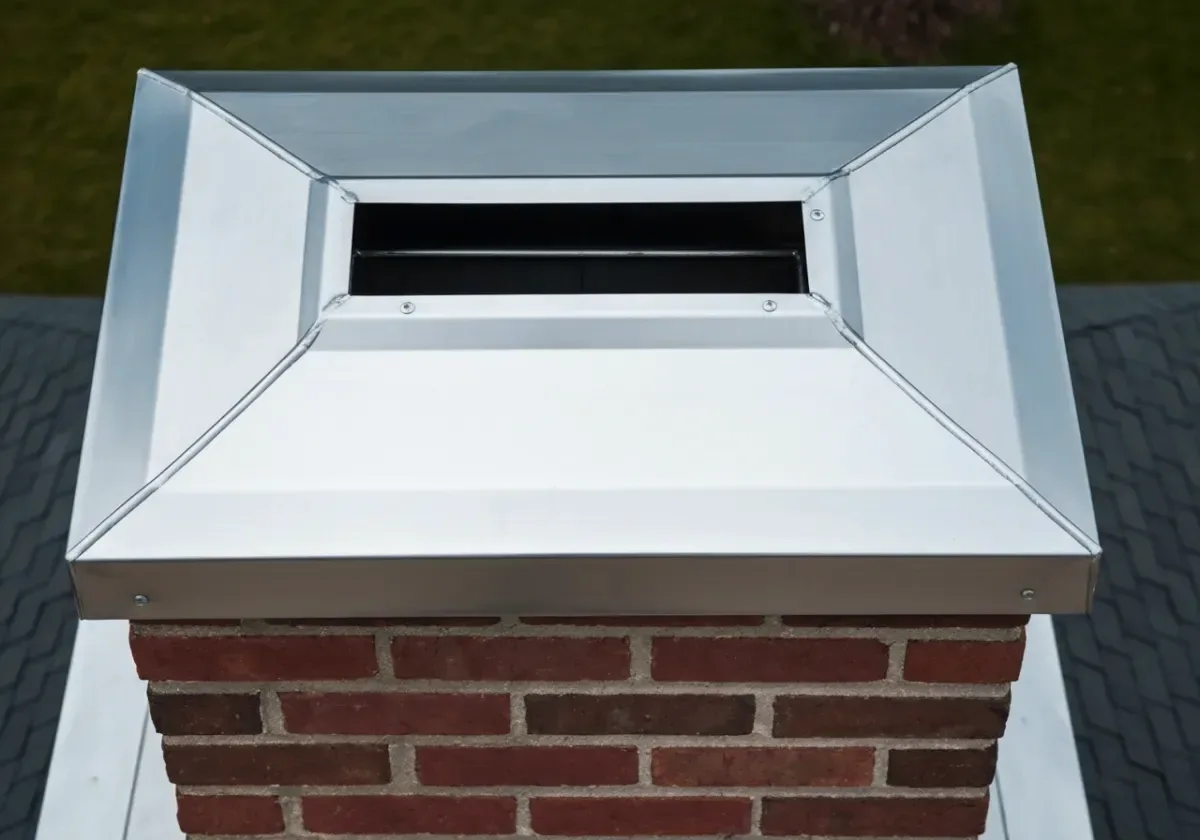
A stainless cap sized to your actual flue dimensions
Learn more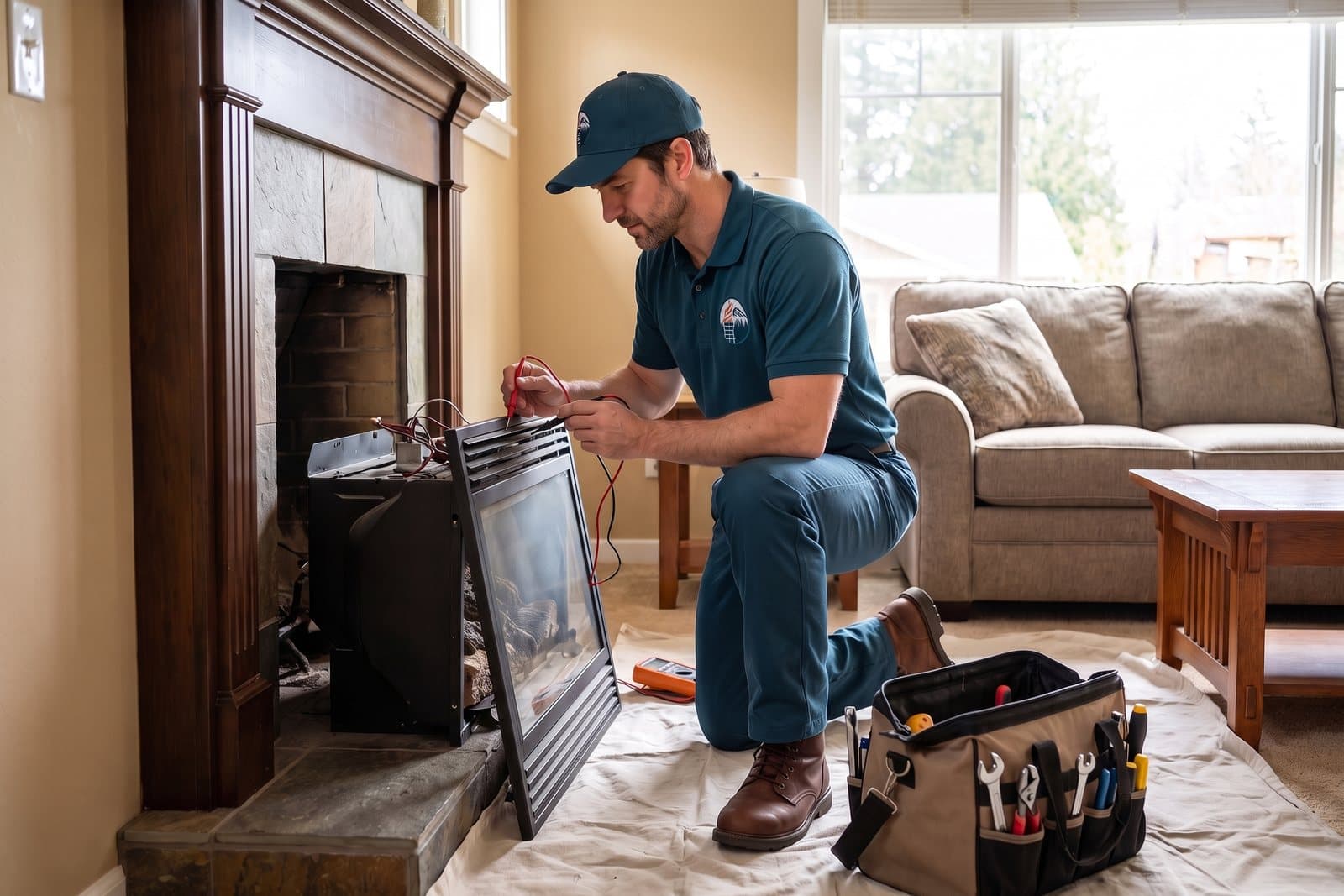
Burner, pilot assembly and valve cleaned and adjusted
Learn moreRanges shown for orientation — the exact figure is written up on-site, after the inspection.
Laundry rooms in University Place houses are often in the garage, a basement or an interior hallway, which means the vent can run a long way before it reaches the outside. On older homes the original duct may be foil or vinyl, or it may have been extended during a remodel with more bends than the dryer can push through.
University Place fronts Puget Sound, with Chambers Bay, the golf course that opened in 2007, along its shore. Homes on that side of town get their weather from the open water, and a dryer hood on the exposed wall takes rain almost every time the wind blows.
Washington's code wants a backdraft flap where the duct leaves the house and rules out any screen there, since a screen is a lint trap nobody cleans. A flap that stays wet swells, sticks, and collects lint anyway, so on weather-facing walls we check that it opens freely and seats cleanly.
Some dryers here vent through the roof, often because the laundry sits in the middle of the house. A roof cap sits in the same wet, shaded conditions as the shingles around it, and OSU Extension notes that Northwest roof moss holds soil and debris in place.
Moss, needles and lint together can close a roof vent almost completely. Federal fire data list failure to clean as the leading factor in dryer fires, at 34% of cases, and a clogged roof exit is the hardest part of the system for a homeowner to see or reach.
Every dryer vent cleaning we do in University Place includes:
Smoke coming back into the room, or a smell that won't go? Book the inspection first.
Book nowThe warning signs here are the usual ones: towels that need two cycles, a dryer hot to the touch, a burning smell. A less obvious one is the outside hood. On a damp side of the house, lint gets wet at the flap, sticks, and builds a plug right at the exit, where no lint screen reaches.
We check how much air reaches the outside before touching anything, so the result can be compared.
Brushes and air tools clear the duct from both ends, and the lint is collected, not blown into the house.
The hood and its flap are cleared. A screen on the hood is removed, since the state code forbids one there.
Airflow after cleaning, photos, and a note if the duct is too long or the wrong material.
Line-drying is not much of an option from fall to spring. At the Tacoma #1 station, the nearest long record, November averages 6.82 inches of precipitation and January 6.08, so the dryer does nearly all the work for months at a stretch.
Nationally, dryers start roughly 2,900 home fires a year by the U.S. Fire Administration's count, and January is their worst month. That lines up with the wet season here: more loads through the same duct, more lint, and a hood that rarely dries out.
What this work is quoted at for University Place homes — the exact figure comes from the $99 on-site inspection, credited toward the work.
| Service | Price in University Place | What that covers |
|---|---|---|
| Dryer Vent Cleaning | $105–$260 | Full run cleaned; roof or upper-floor terminations at the top |
| Chimney Sweep | $189–$449 | Full flue swept, Level 1 inspection included |
| Chimney Inspection | $99 plus tax | Level 1 visual; Level 2 adds a full camera scan |
| Chimney Relining | From $1,900 | Full-length stainless liner, sized to the appliance |
| Chimney Repair | From $375 | Masonry repair — brick and mortar, scoped after diagnosis |
Ranges are what these jobs are quoted at in University Place. The exact figure is set on site after a $99 inspection (credited toward the job if you go ahead), and you approve it before any work starts.
University Place is a city incorporated in 1995 and named for a university campus planned in the 1890s but never built there, on Puget Sound, with homes with a median build year of 1981, about half of them built before 1980.
University PlacePierce County, WA · 47.250, -122.552
Before and after
Illustrations of what each repair changes on a typical chimney — not photos of a specific job.
 Before
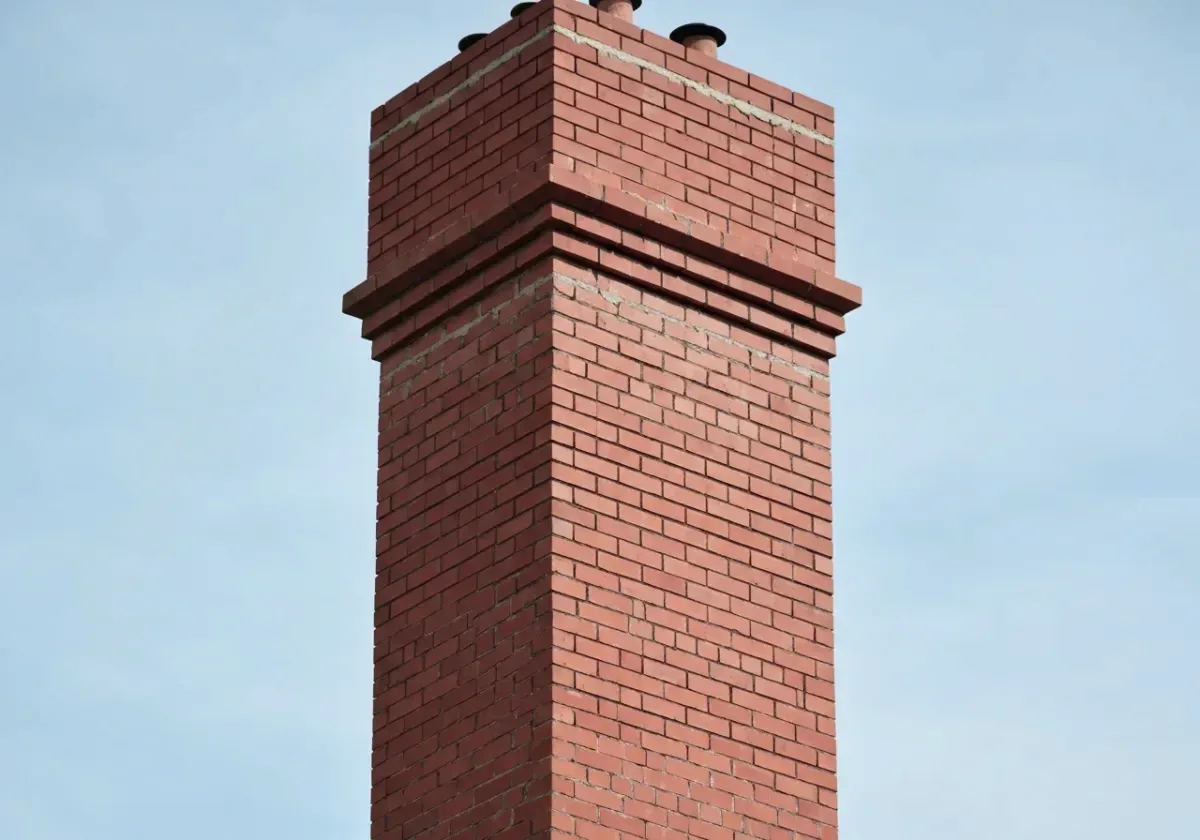 After
After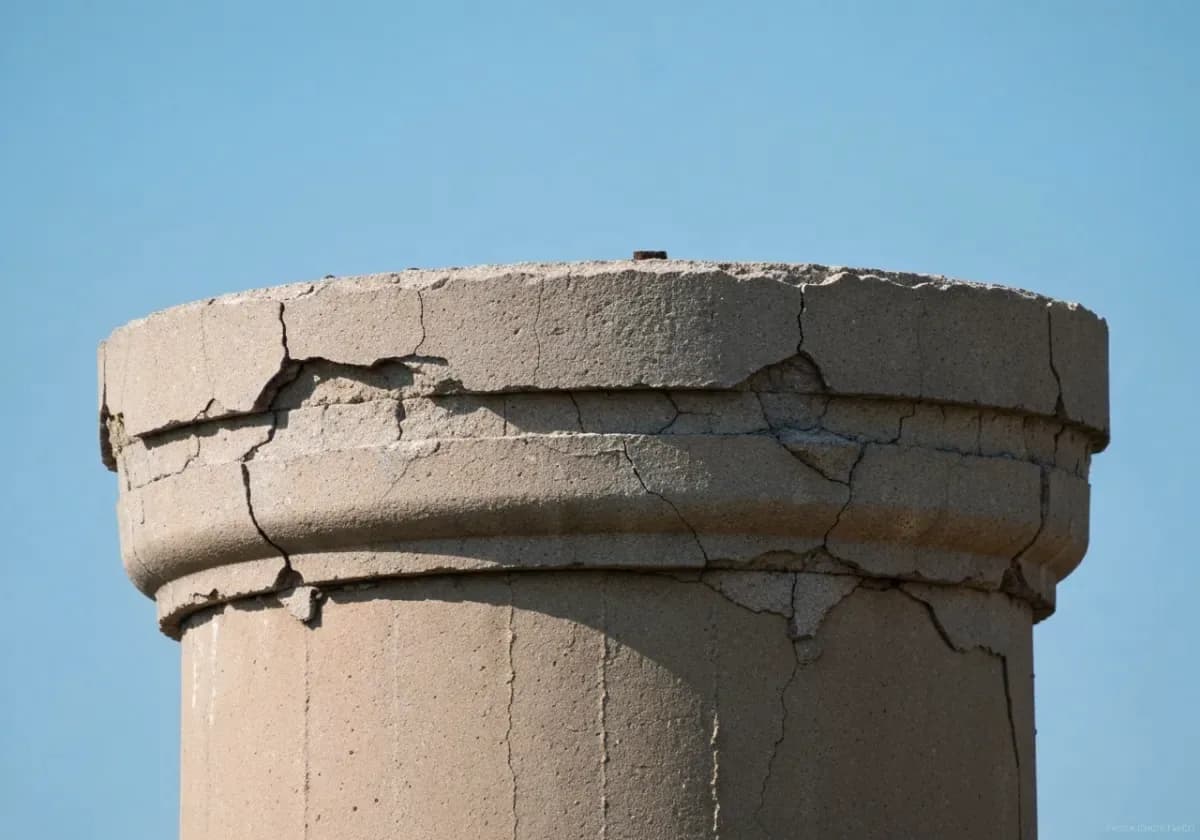 Before
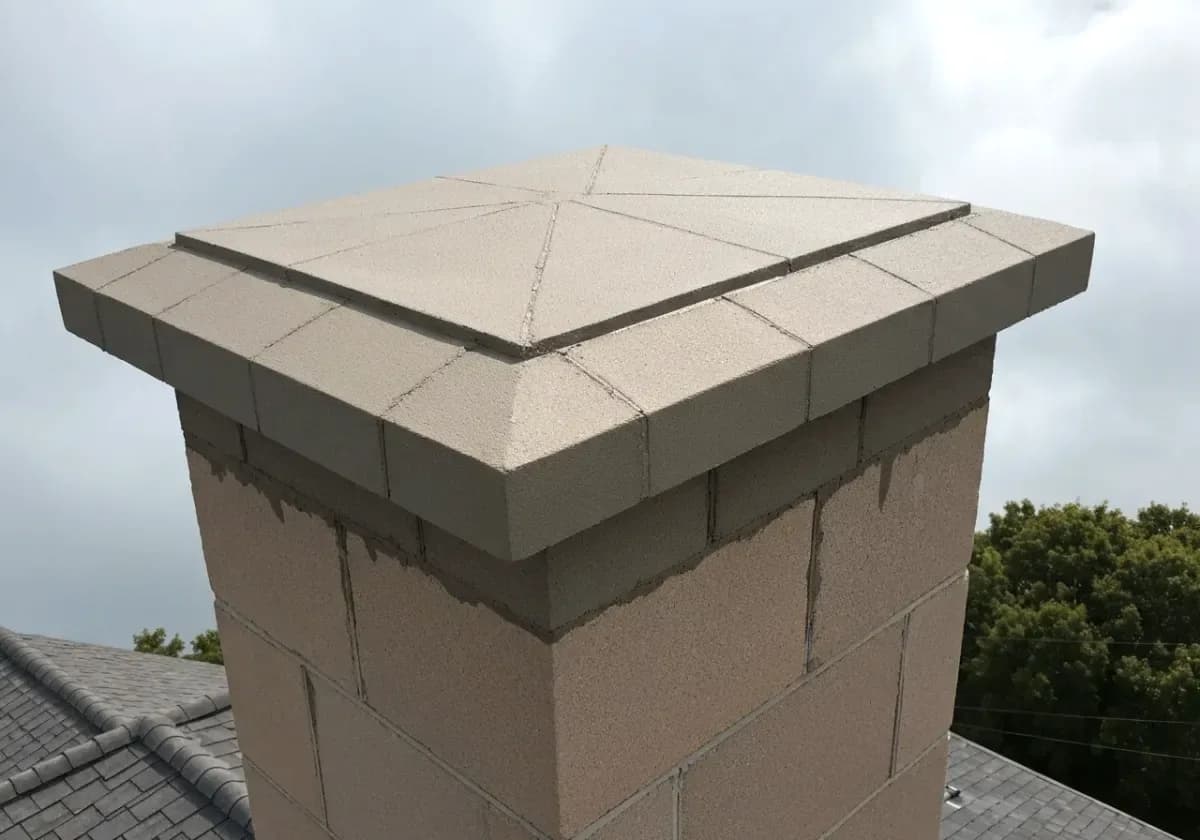 After
After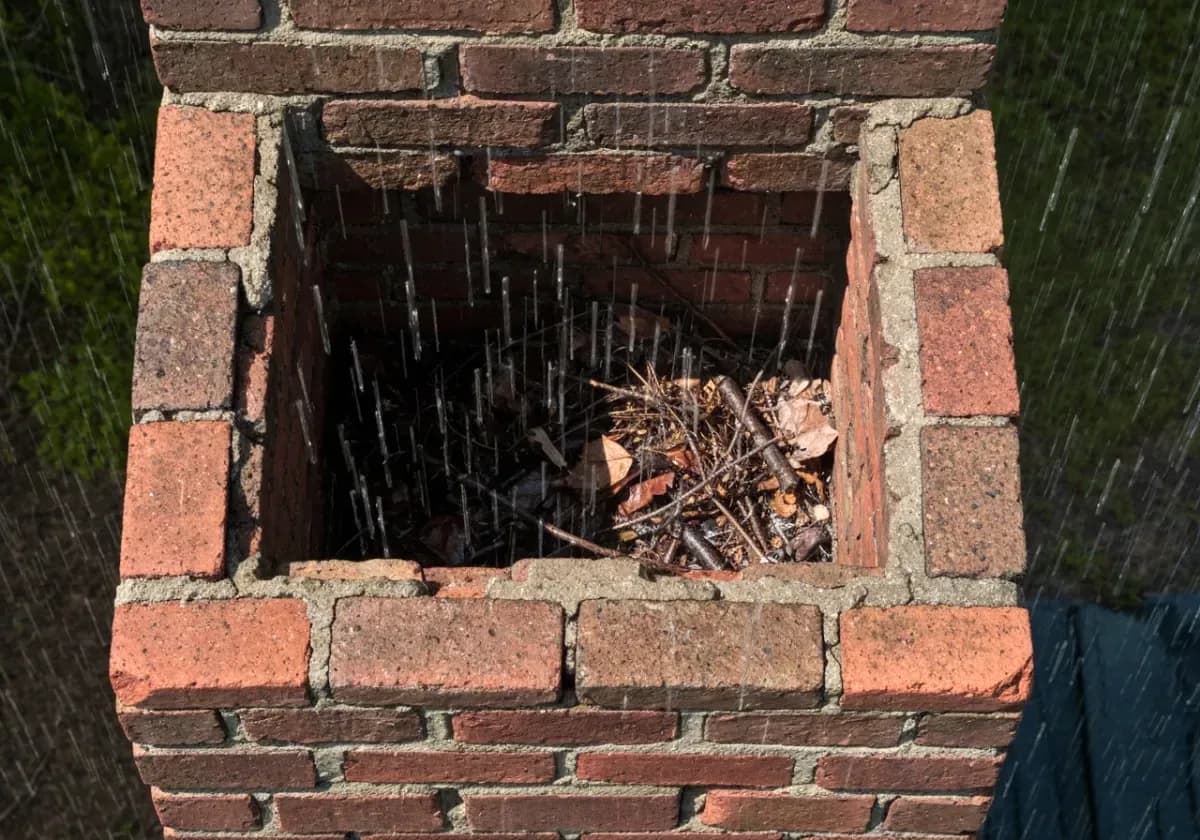 Before
 After
After
Four steps, each one on paper — so you always know what happens next.
Choose a genuine opening on the crew's calendar. Confirmation is immediate.
Liner, crown, cap, flashing and masonry examined in order — each finding photographed.
One document, plain numbers, covering only the work your chimney genuinely needs.
The repair is completed, then handed over with before-and-after photos of every item.
$105 to $260. Run length, how many turns it takes and whether the vent exits through the roof set the price.
Yearly suits a typical household; a big family running loads every day may need it twice as often. Federal fire data put failure to clean as the leading factor in dryer fires.
It can be. State code lets a smooth 4-inch metal run go 35 feet at most, then docks 5 feet for every right-angle turn and half that for a 45. Beyond the limit, lint settles faster and the dryer labors.
A $99 on-site inspection, a written quote before any work, and photos of every item we touch.