Fife, Pierce County
Creosote removal in Fife starts at $245, and the final figure depends on the stage the deposit has reached. Loose, sooty buildup brushes away. Tar-like or glazed coatings call for spinning chain heads, sometimes a chemical agent, and a longer visit. We tell you which stage we see, with a photo, before any of the heavier work begins.
Typical investment
From $245
Book an inspection
Book your $99 inspection
$99 plus tax, deducted when you approve the repair
Not sure where to start
Pick what you're seeing at your Fife home — we'll point you to the right fix.
What we do
The same crew, the same written quote — for Fife homes.
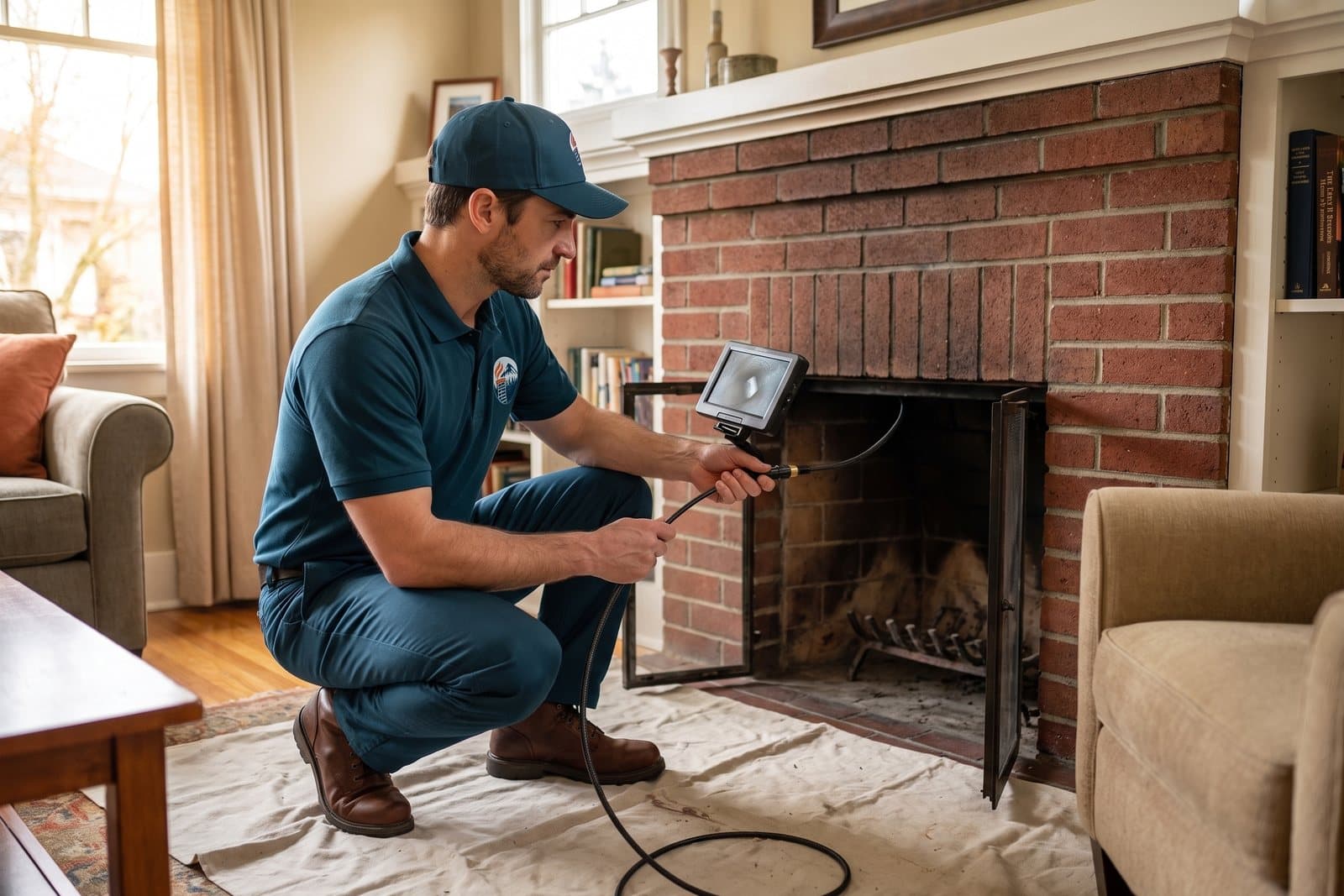
Level 1 or Level 2 as needed; Level 2 includes a camera run through the entire flue
Learn more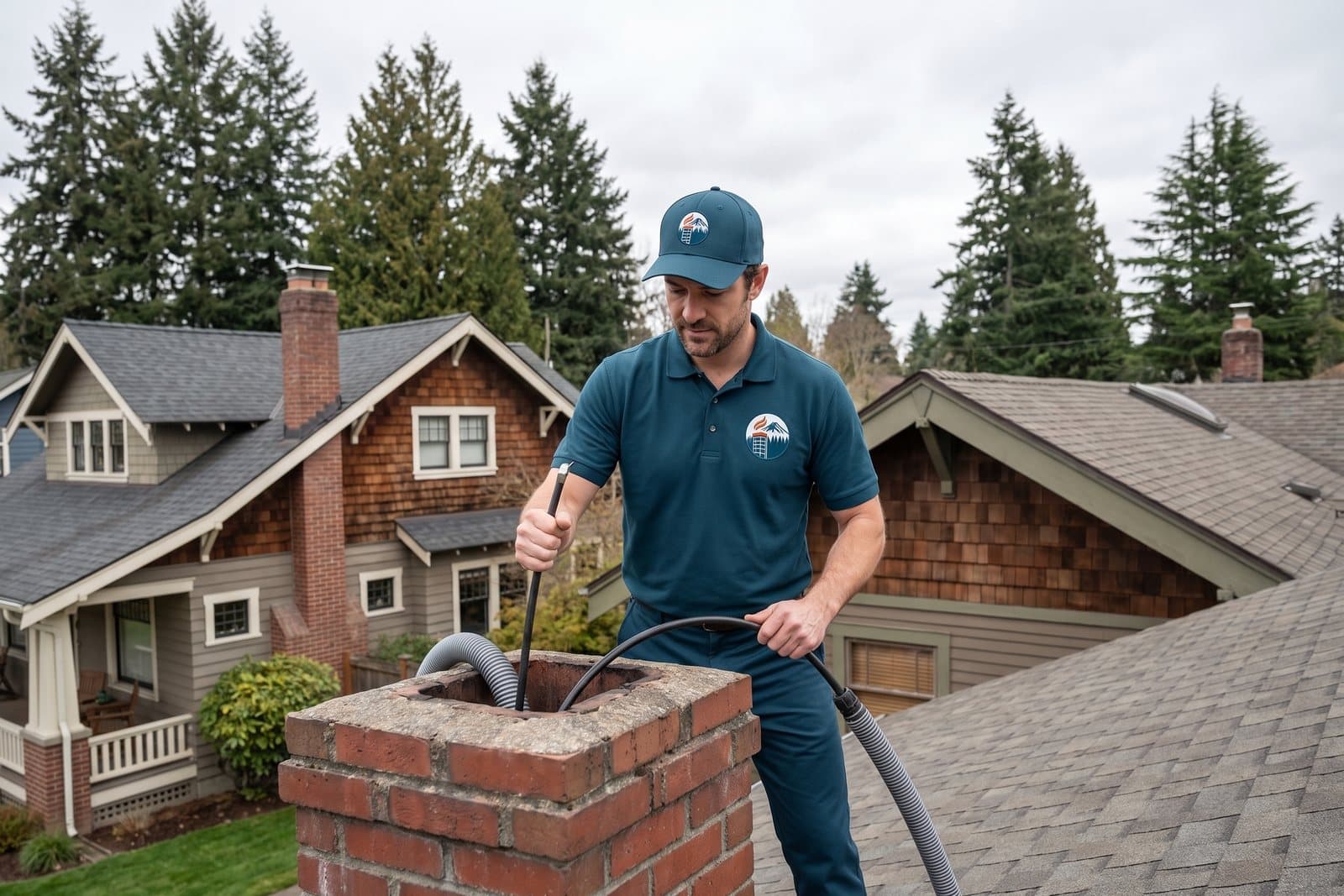
Top-to-bottom brushing of flue and firebox under drop cloths, with a HEPA vacuum pulling the dust
Learn more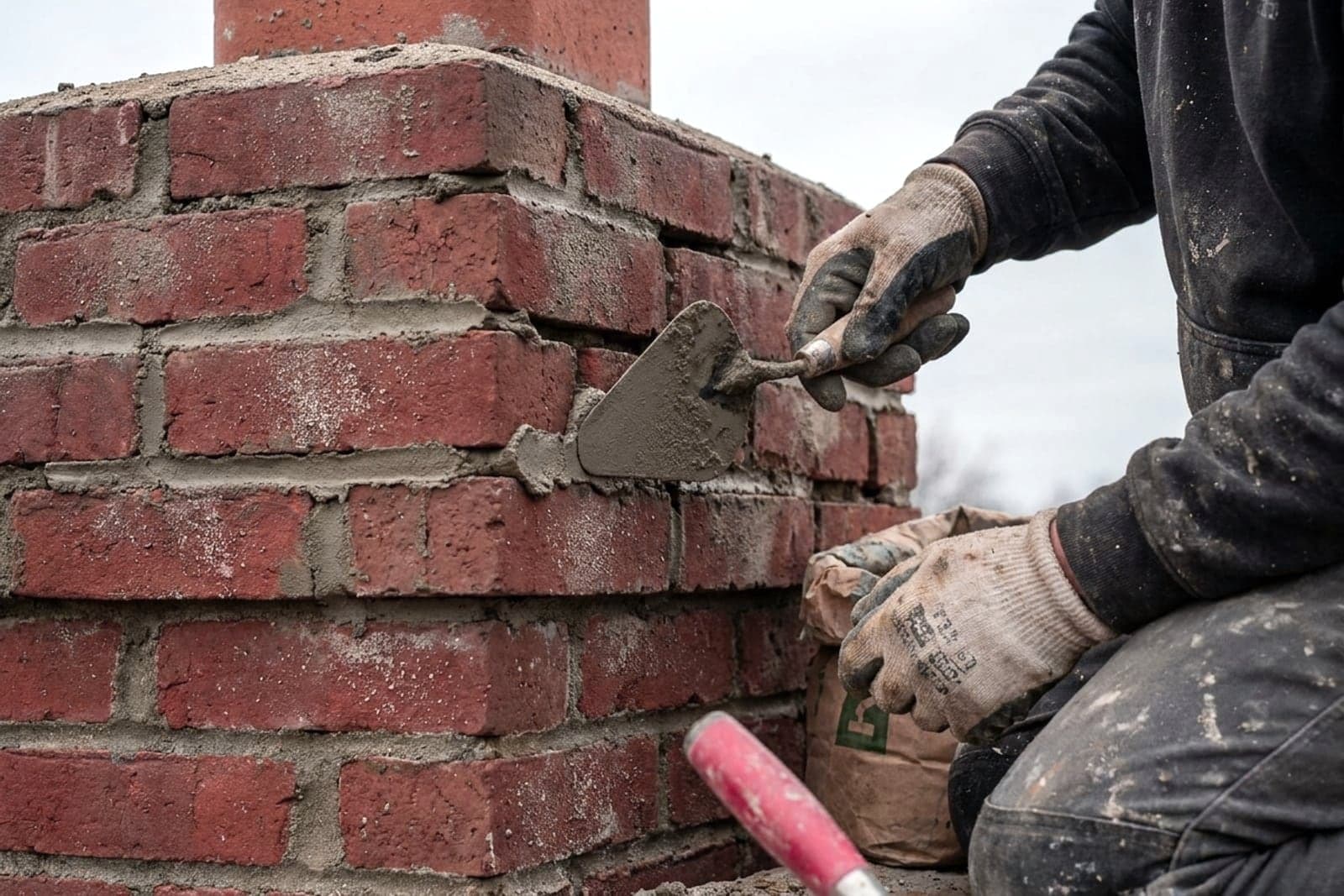
Loose or damaged brick, open joints and firebox panels repaired
Learn more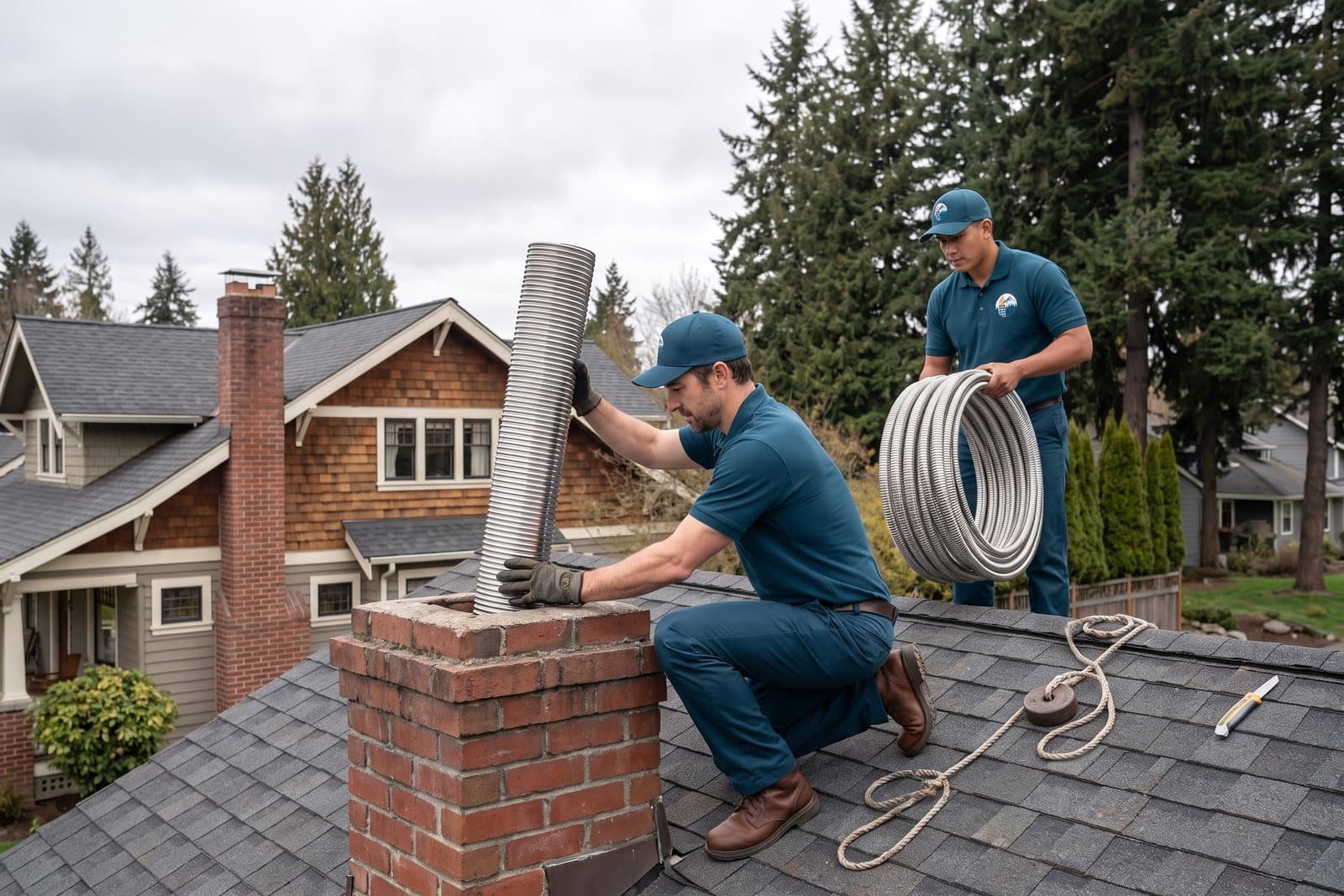
A full-length stainless-steel or cast liner, firebox to chimney top
Learn more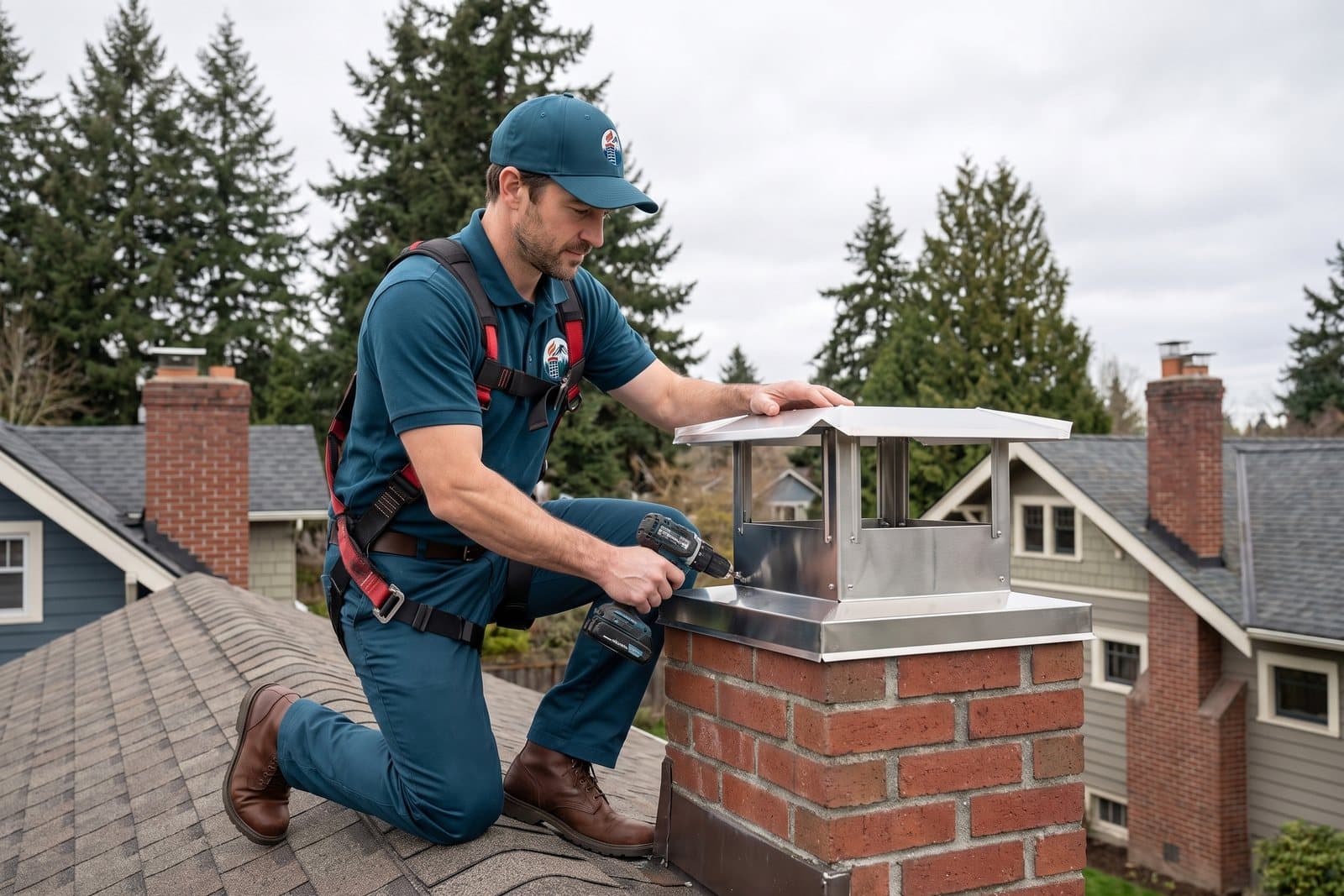
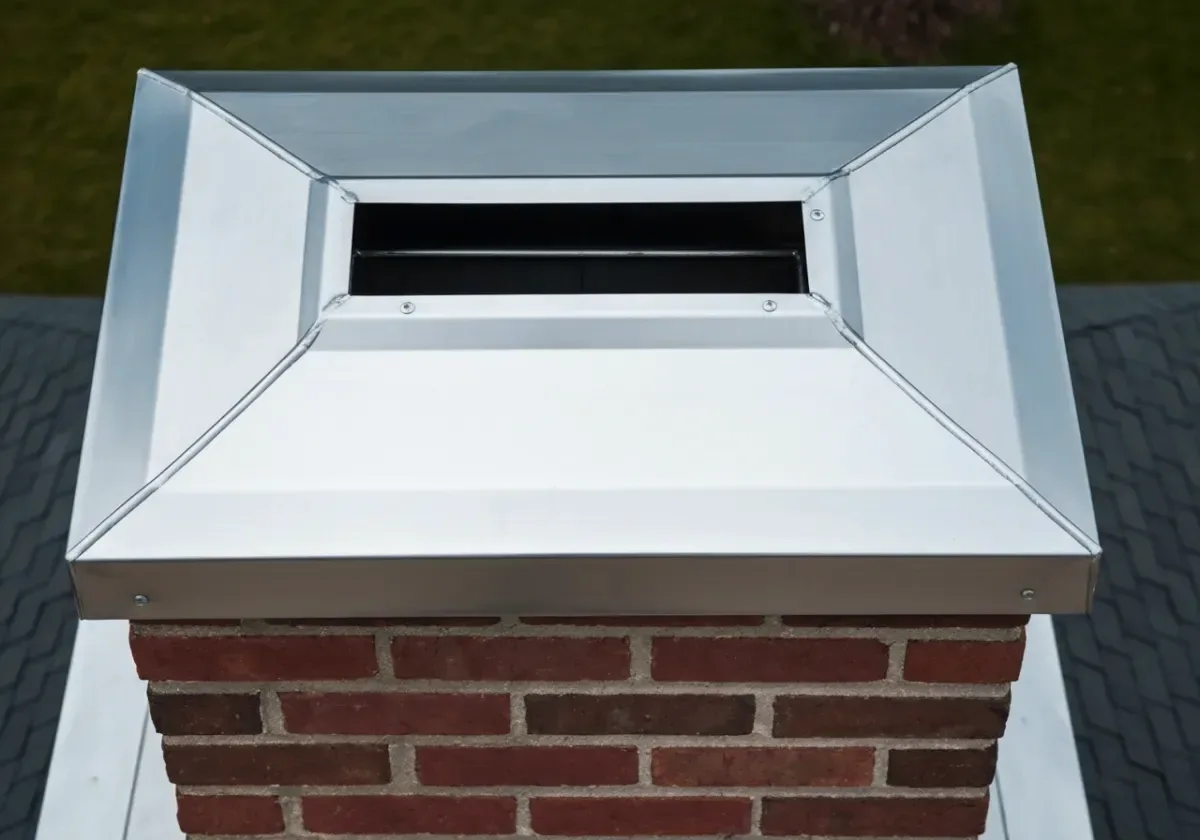
A stainless cap sized to your actual flue dimensions
Learn more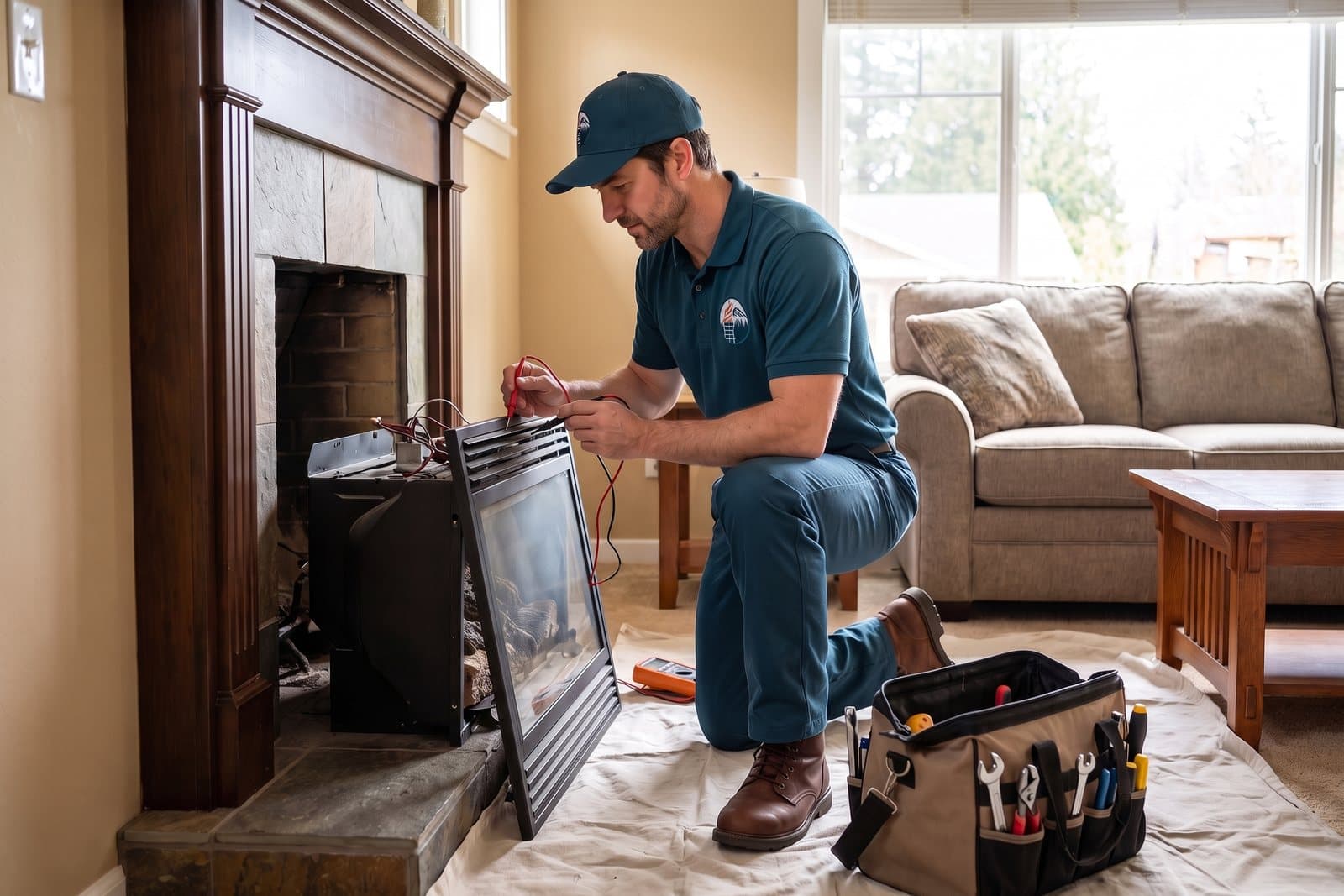
Burner, pilot assembly and valve cleaned and adjusted
Learn moreRanges shown for orientation — the exact figure is written up on-site, after the inspection.
A lot of Fife homes heat part of the time with an insert or a free-standing stove, often fitted years after the house went up in the 1990s or 2000s. Those appliances are efficient when burned hot and dirty when turned down low overnight. The narrow steel liner that serves most inserts gives creosote less room than an old masonry flue, so a layer that would be a nuisance in a wide chimney can choke a slim one.
Wood is the main source of warmth in about 1.2% of Fife's occupied homes, by the Census Bureau's 2020 to 2024 count. Those are the stoves that run from fall to spring and the ones most likely to need more than a routine sweep.
Washington Ecology reported in 2019 that some 5,000 residents across Tacoma-Pierce County had taken out uncertified stoves since 2012. An older, uncertified unit burns dirtier and lays down creosote faster, so if yours predates certification, removal work and a conversation about the stove itself often go together.
The EPA put the Tacoma-Pierce County area on its list for failing the 24-hour fine particle standard in 2009. Ecology pinned the cause mainly on smoke from home heating on cold, still winter evenings.
That same smoldering fire is what builds creosote. Burning only dry wood, as the clean air agency requires, keeps both the smoke and the tar down. When a ban is called, the agency's status page and phone line, 800-595-4341, say which stage is in force.
Every creosote removal we do in Fife includes:
Smoke coming back into the room, or a smell that won't go? Book the inspection first.
Book nowDamp firewood is the usual culprit. With a rainy season that WeatherSpark stretches from about early October into early May, wood stored outside under a tarp in Fife rarely dries the way it should. Wet splits smolder, the smoke cools on its way up, and the tar settles on the liner. Glazed creosote is the result, and it is the kind that burns hottest if it ever catches.
In WeatherSpark's data, Fife's sky is mostly cloudy for around 8.2 months, and December is overcast or close to it about 74% of the time. Drying firewood outdoors in that light is slow, and it matters: regional rules only permit dry, seasoned wood or manufactured logs in a home fire.
Snow is brief here, usually between mid-December and mid-January, but a cold outside wall still chills the flue. Cool flue gases drop their tar sooner, which is why a chimney built against an outside wall in Fife often carries heavier creosote than an interior one.
We look up the flue and photograph the deposit, then tell you whether it is first, second or third stage.
The room is covered and the opening closed off so dust and flakes go into the vacuum, not onto the carpet.
Brushes first, then rotary heads or a treatment for anything that stays stuck to the liner.
A final photo of the cleaned surface, and a note if the liner underneath shows heat damage.
What this work is quoted at for Fife homes — the exact figure comes from the $99 on-site inspection, credited toward the work.
| Service | Price in Fife | What that covers |
|---|---|---|
| Creosote Removal | From $245 | Priced by creosote stage — glazed stage 3 is the heavy end |
| Chimney Sweep | $189–$449 | Full flue swept, Level 1 inspection included |
| Chimney Inspection | $99 plus tax | Level 1 visual; Level 2 adds a full camera scan |
| Chimney Relining | From $1,900 | Full-length stainless liner, sized to the appliance |
| Chimney Repair | From $375 | Masonry repair — brick and mortar, scoped after diagnosis |
Ranges are what these jobs are quoted at in Fife. The exact figure is set on site after a $99 inspection (credited toward the job if you go ahead), and you approve it before any work starts.
Fife is a city incorporated in 1957 on farmland just south of the Port of Tacoma, along I-5, with mostly newer homes — a median build year of 2000, about 22% built before 1980.
FifePierce County, WA · 47.239, -122.357
Before and after
Illustrations of what each repair changes on a typical chimney — not photos of a specific job.
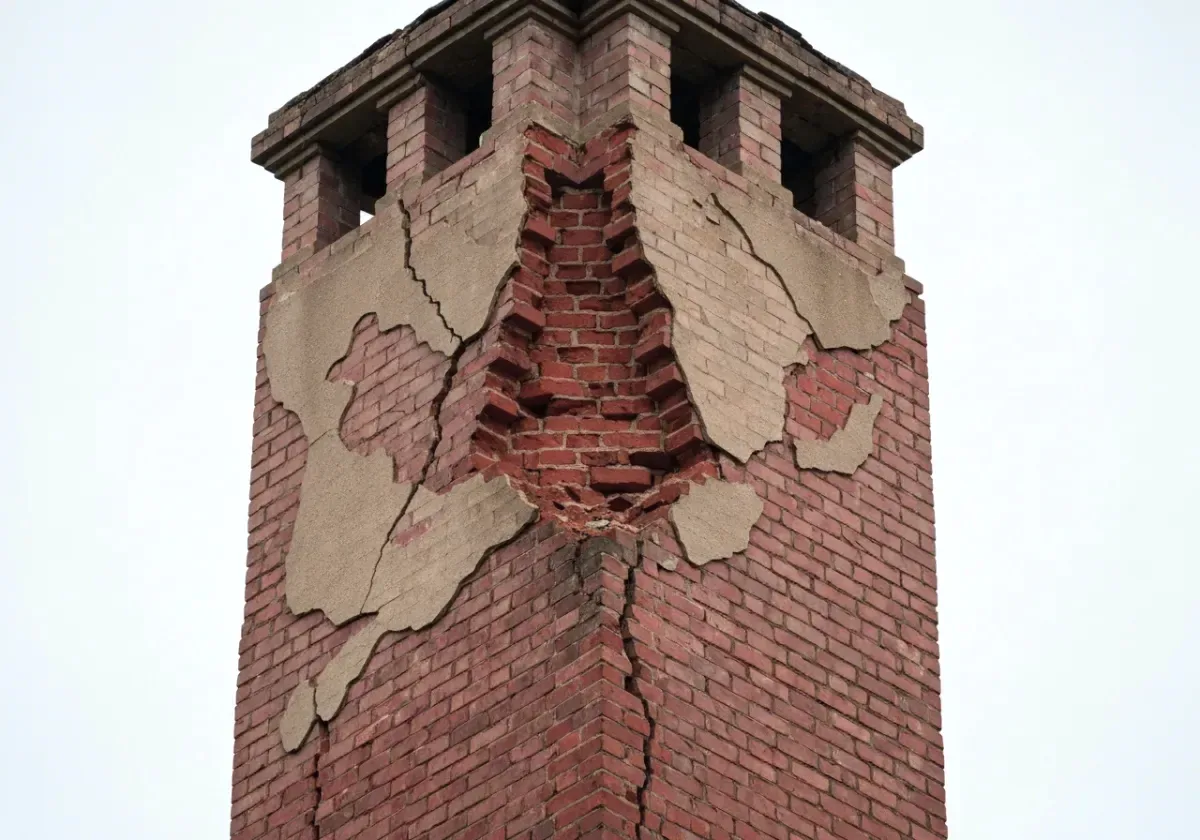 Before
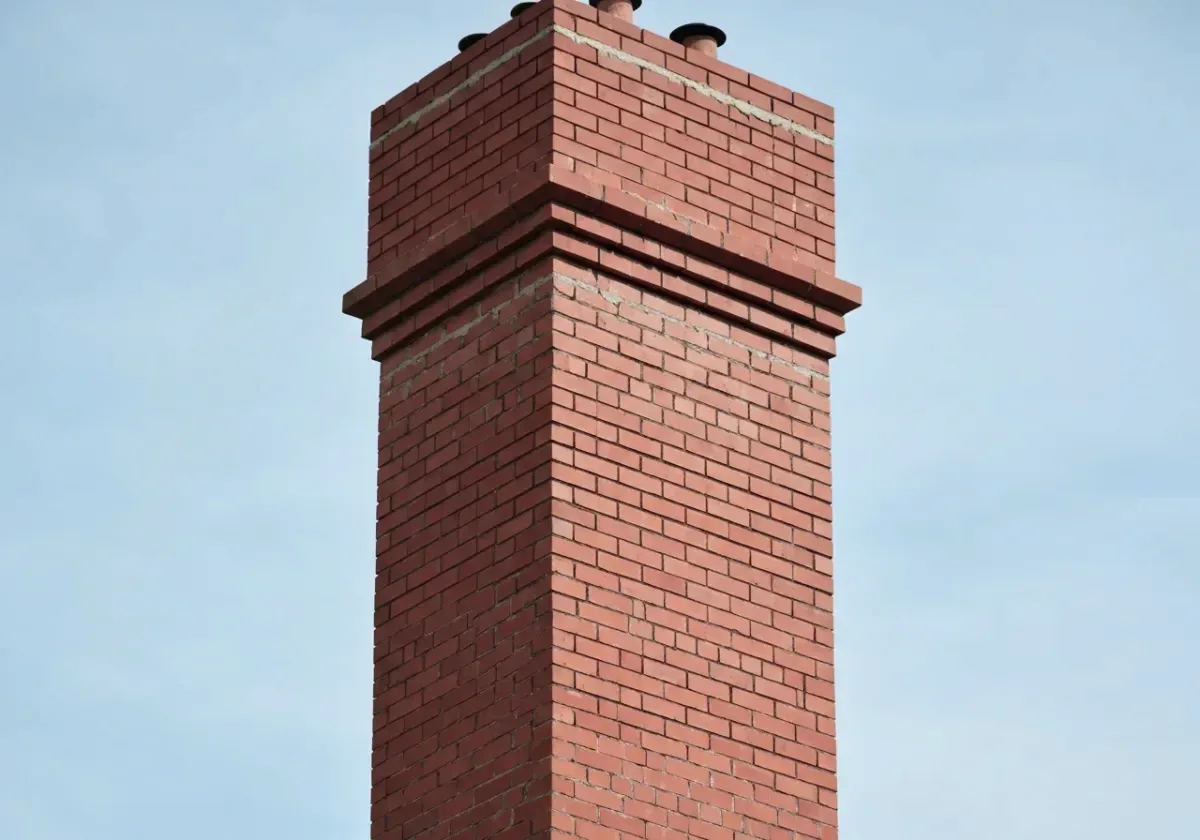 After
After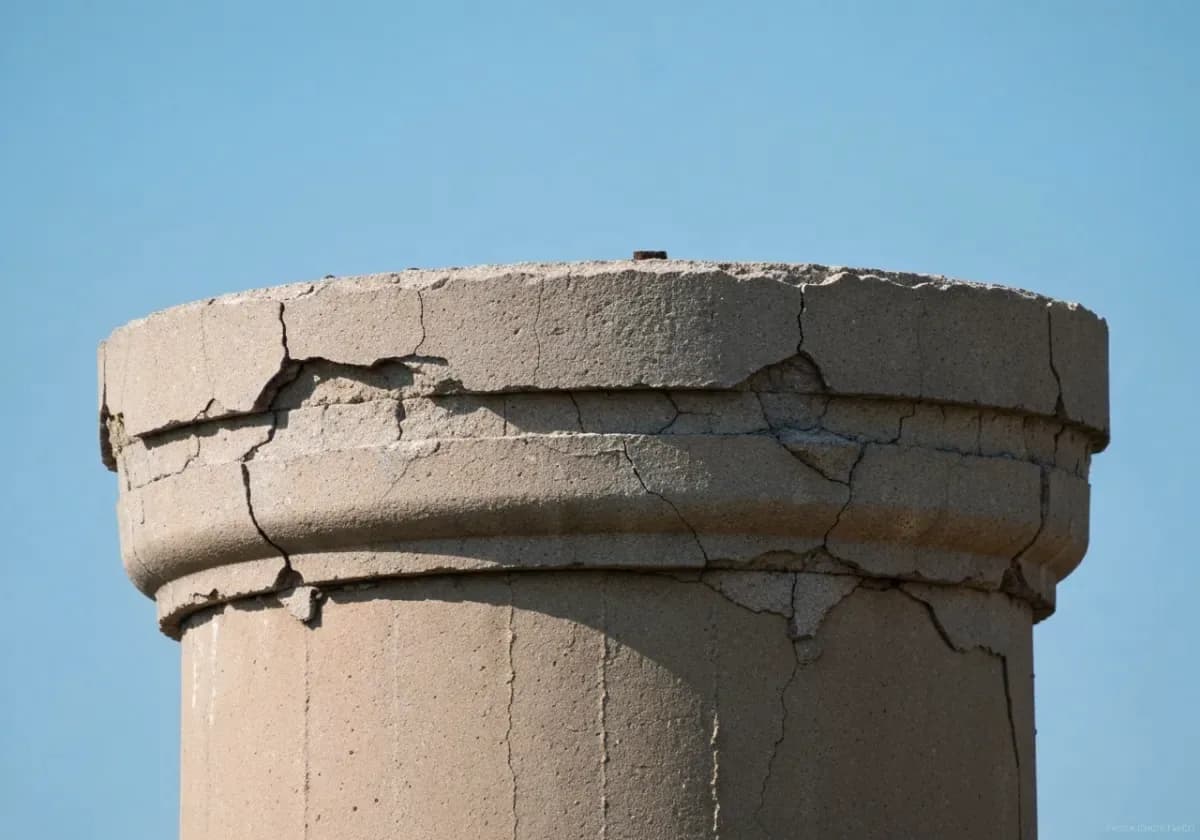 Before
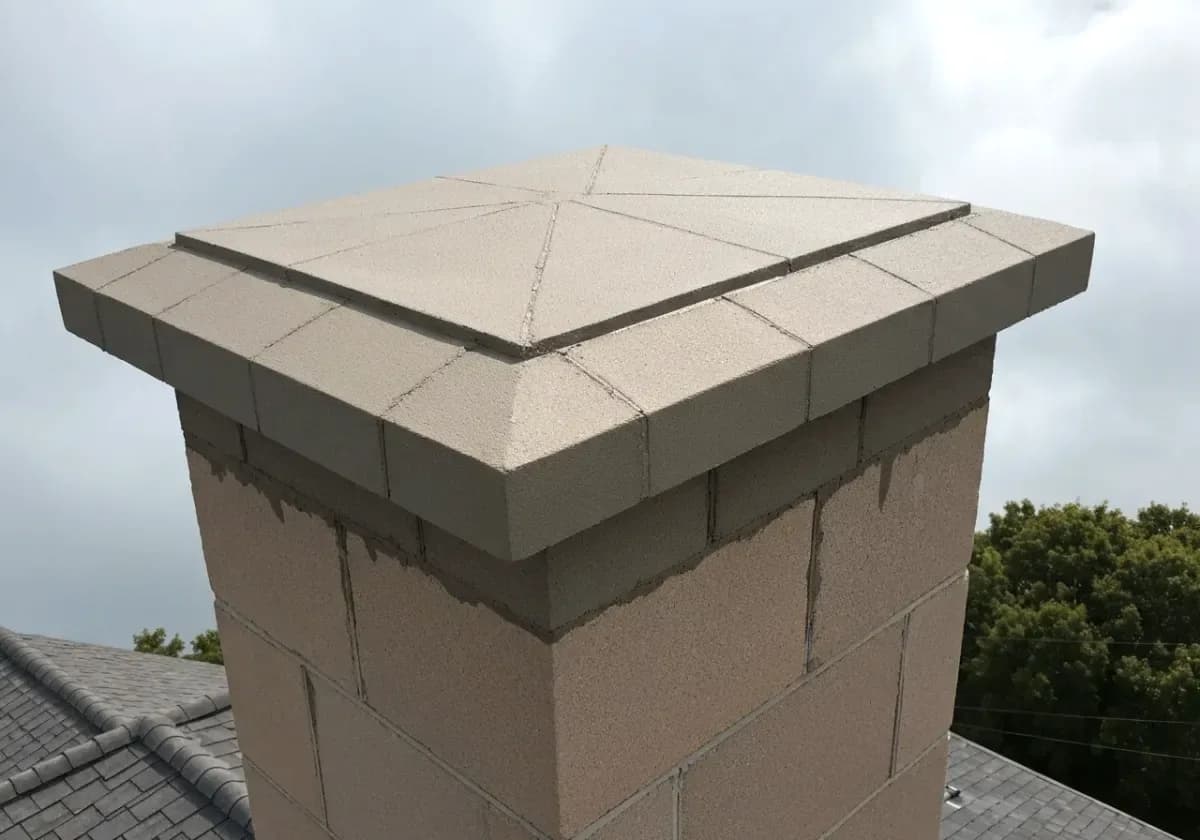 After
After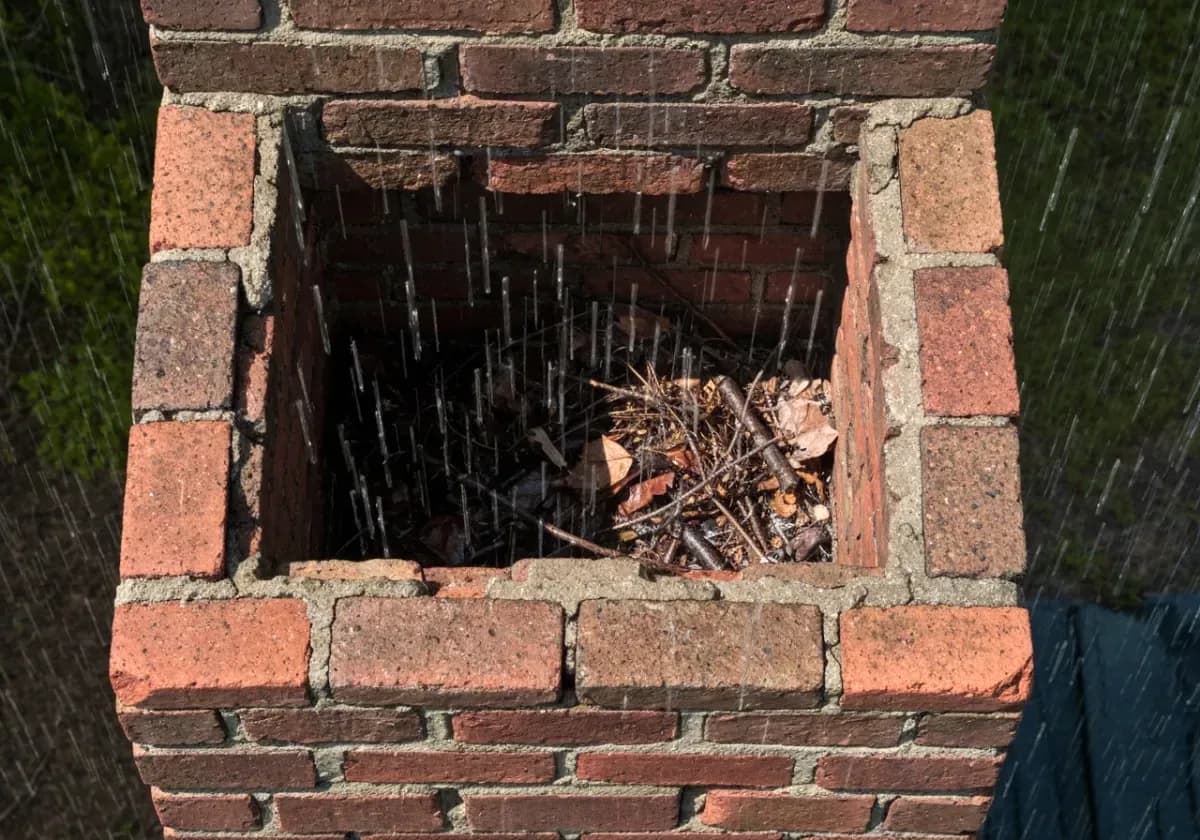 Before
 After
After
Four steps, each one on paper — so you always know what happens next.
Choose a genuine opening on the crew's calendar. Confirmation is immediate.
Liner, crown, cap, flashing and masonry examined in order — each finding photographed.
One document, plain numbers, covering only the work your chimney genuinely needs.
The repair is completed, then handed over with before-and-after photos of every item.
From $245. Loose soot sits at the low end; glazed third-stage creosote that needs repeated passes or a treatment costs more, and we say which before starting.
Yes. A sweep clears normal yearly soot. Creosote removal is for deposits a brush alone cannot lift, the hard, shiny kind that builds up from slow or wet fires.
Split and stack wood a season ahead, keep the air control open enough for visible flame, and resist damping the stove down all night. A yearly check catches any fresh layer while it is still soft.
A $99 on-site inspection, a written quote before any work, and photos of every item we touch.