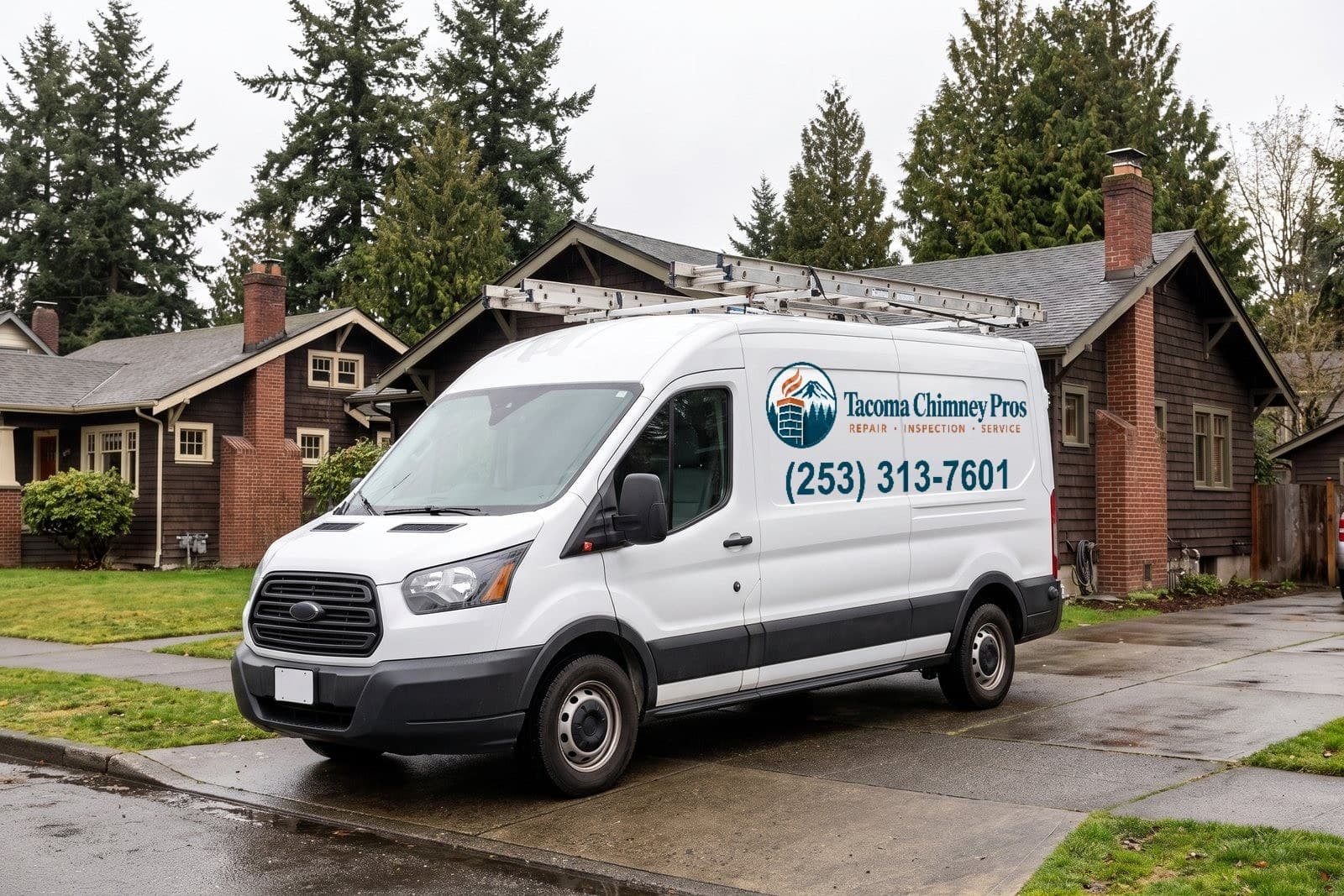
Puyallup, Pierce County
A chimney sweep in Puyallup runs $189 to $449 per flue, and a Level 1 visual check comes with it. Where your visit falls in that bracket depends on how much has built up since the last cleaning, whether the fire burns in an open fireplace, an insert or a stove, and how easy the roof is to work from. You get photos of the flue before we start and after we finish, so the result is something you can see rather than take on trust.
Typical investment
$189–$449
Book an inspection
Book your $99 inspection
$99 plus tax, deducted when you approve the repair
Not sure where to start
Pick what you're seeing at your Puyallup home — we'll point you to the right fix.
What we do
The same crew, the same written quote — for Puyallup homes.
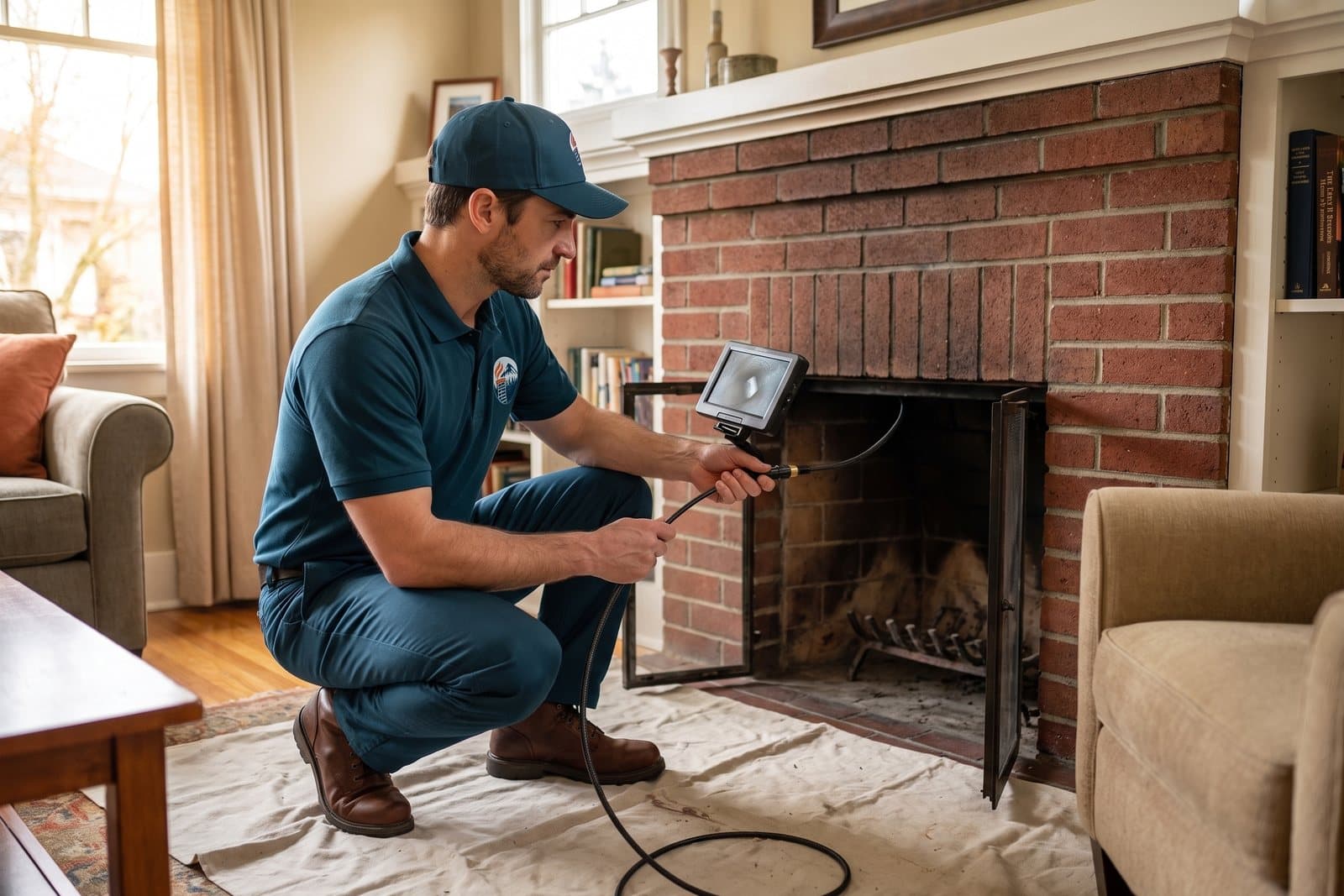
Level 1 or Level 2 as needed; Level 2 includes a camera run through the entire flue
Learn more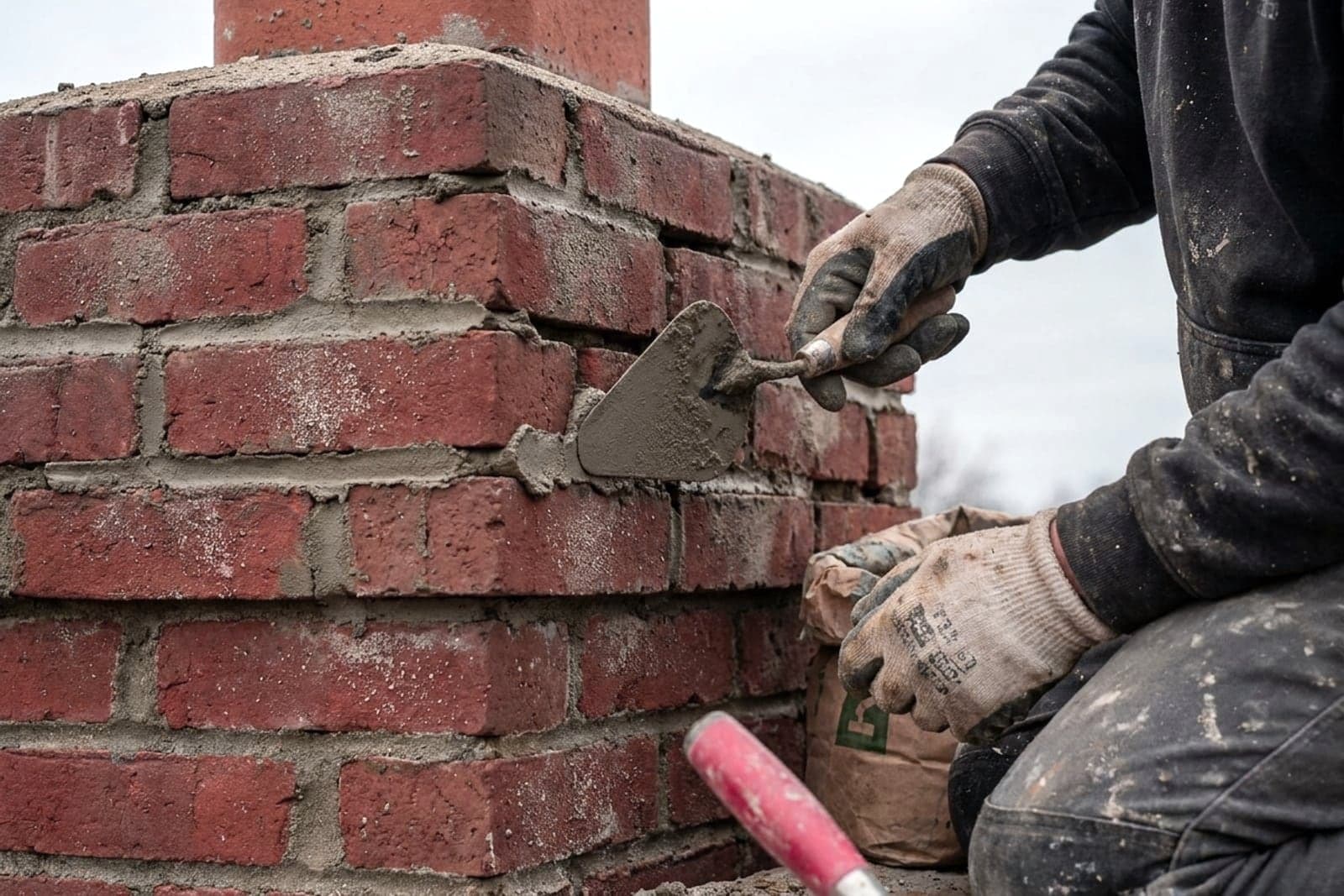
Loose or damaged brick, open joints and firebox panels repaired
Learn more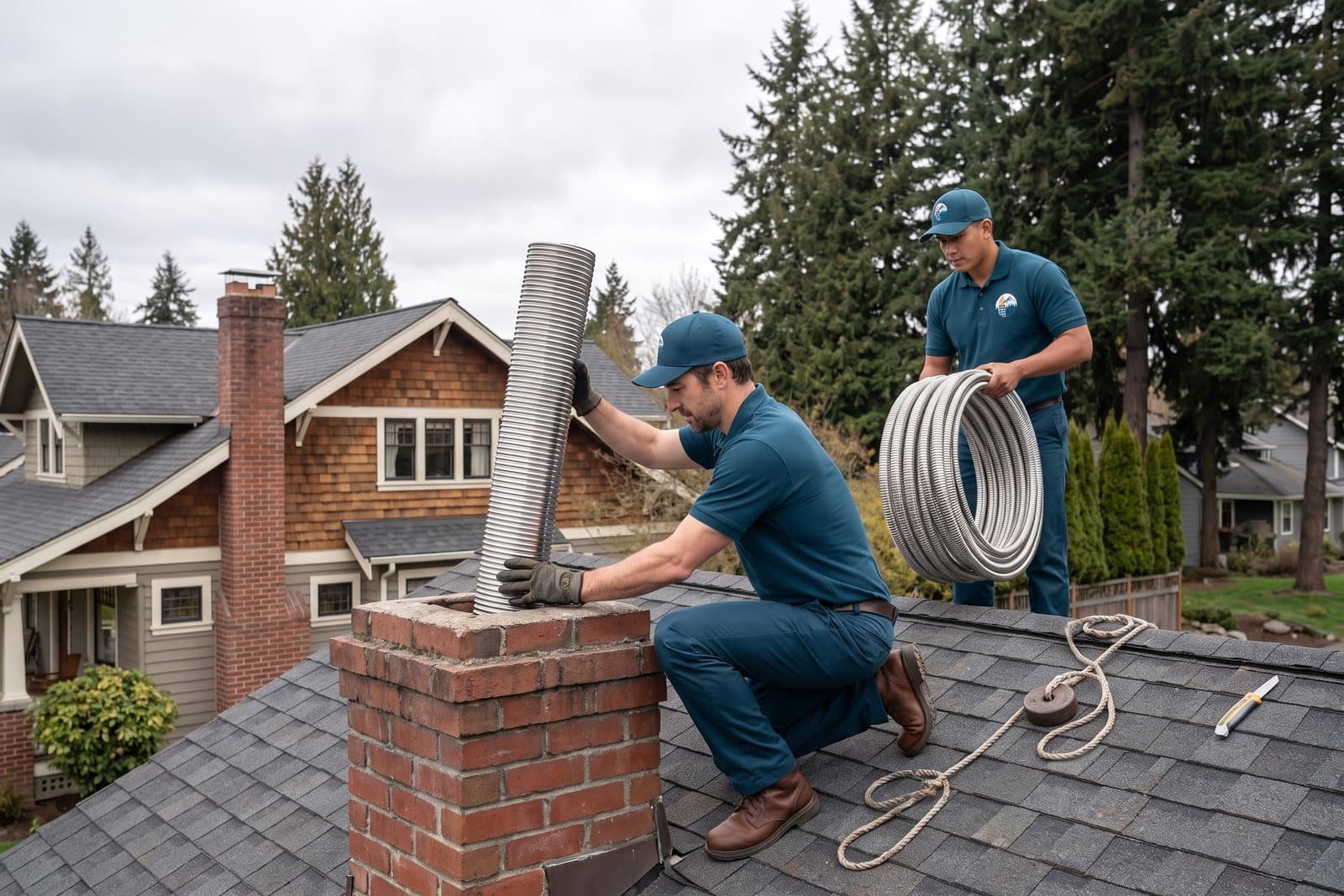
A full-length stainless-steel or cast liner, firebox to chimney top
Learn more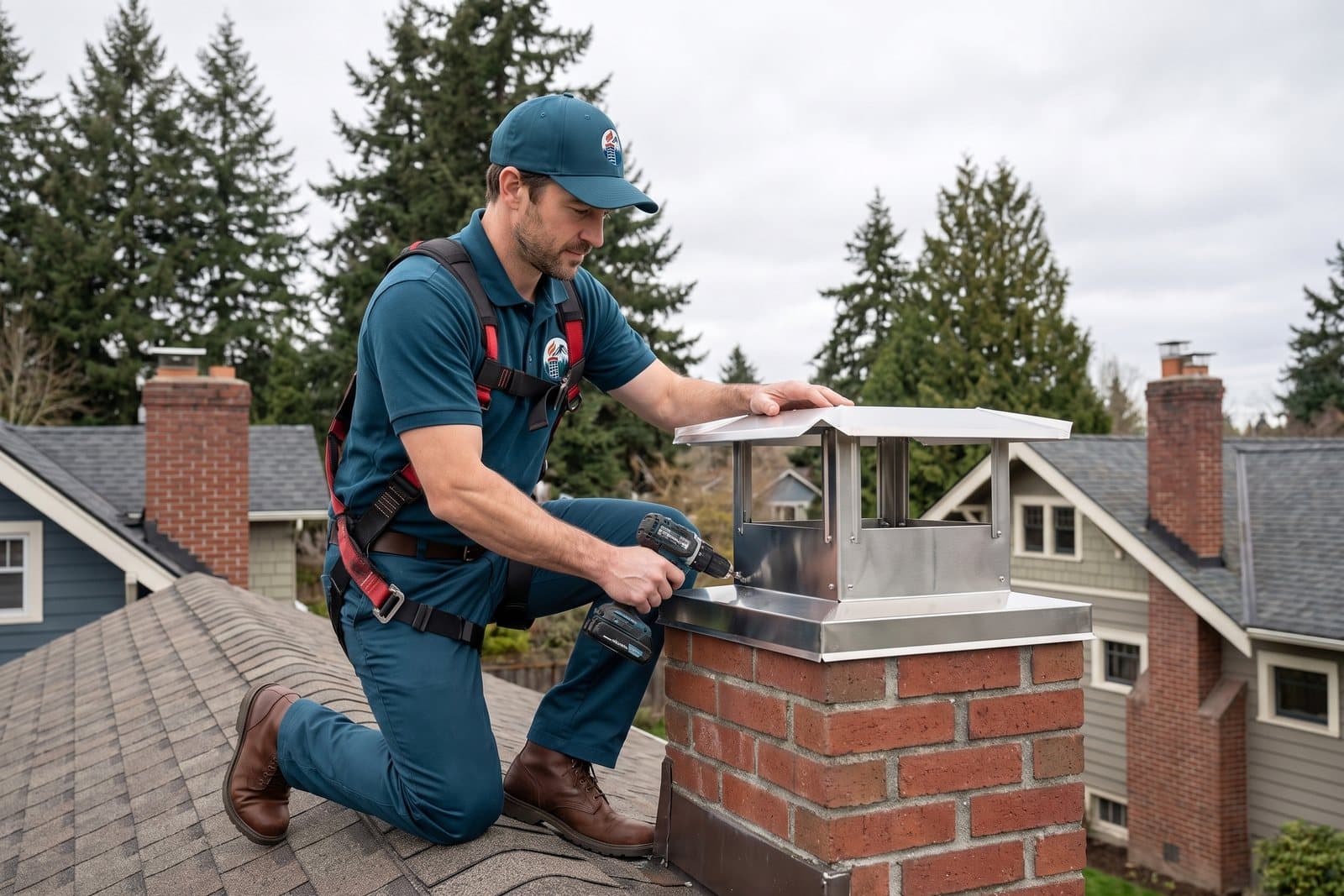
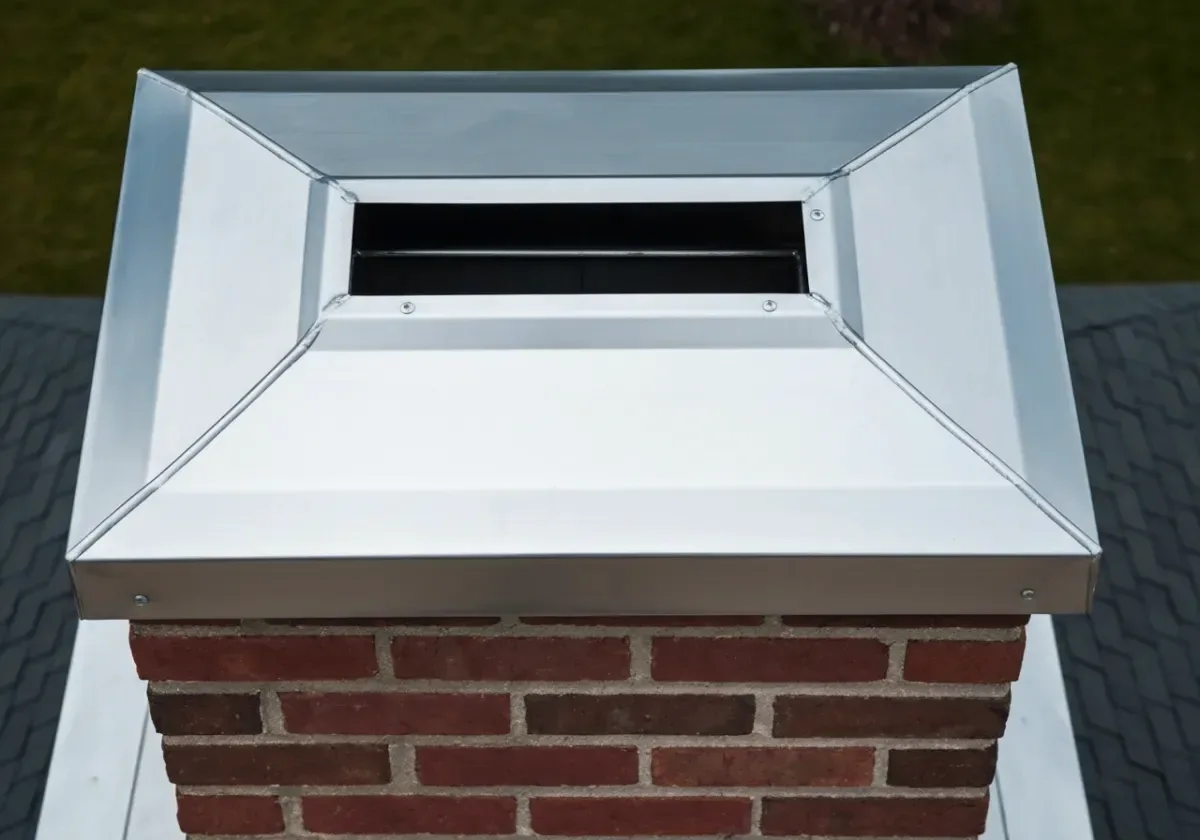
A stainless cap sized to your actual flue dimensions
Learn more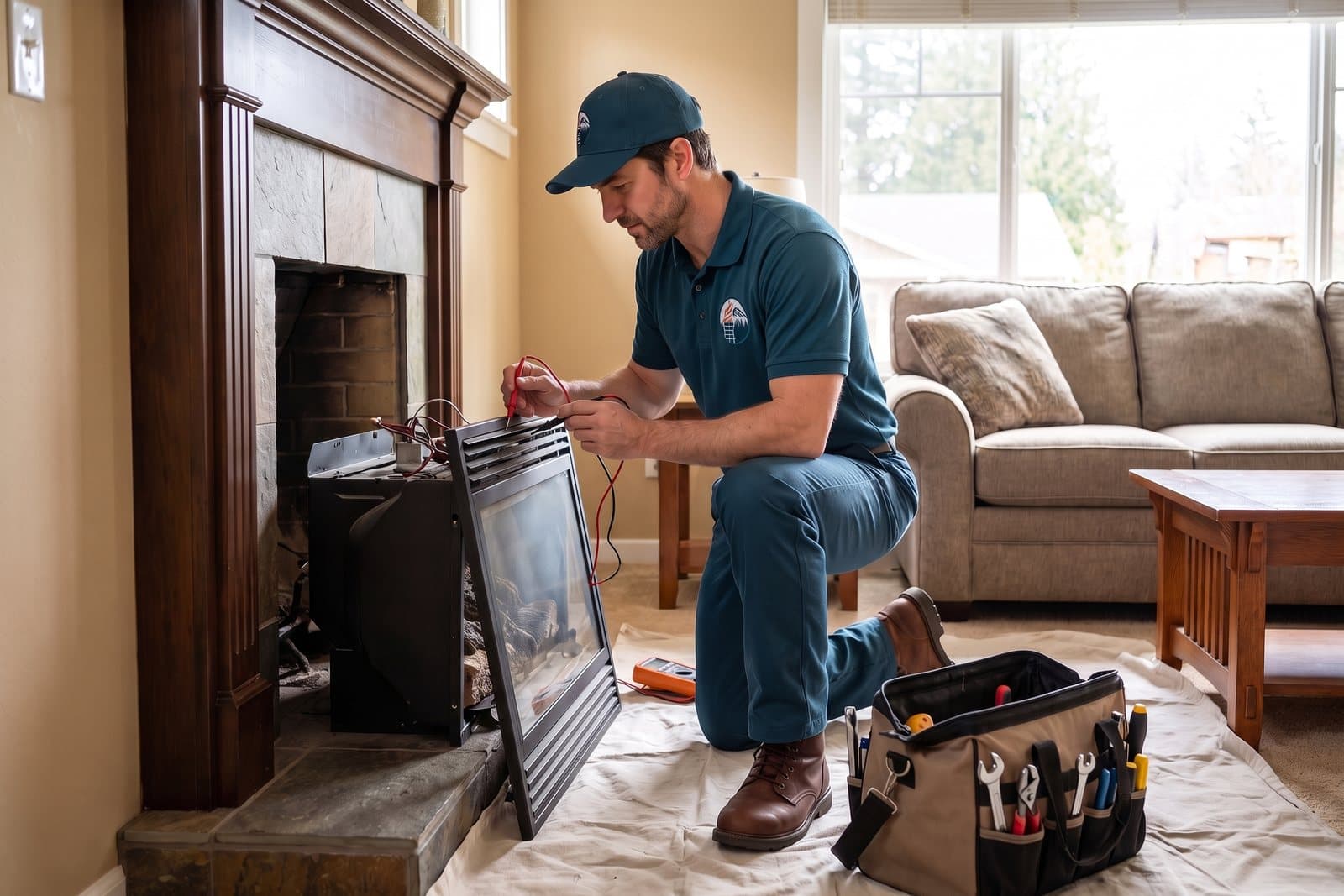
Burner, pilot assembly and valve cleaned and adjusted
Learn more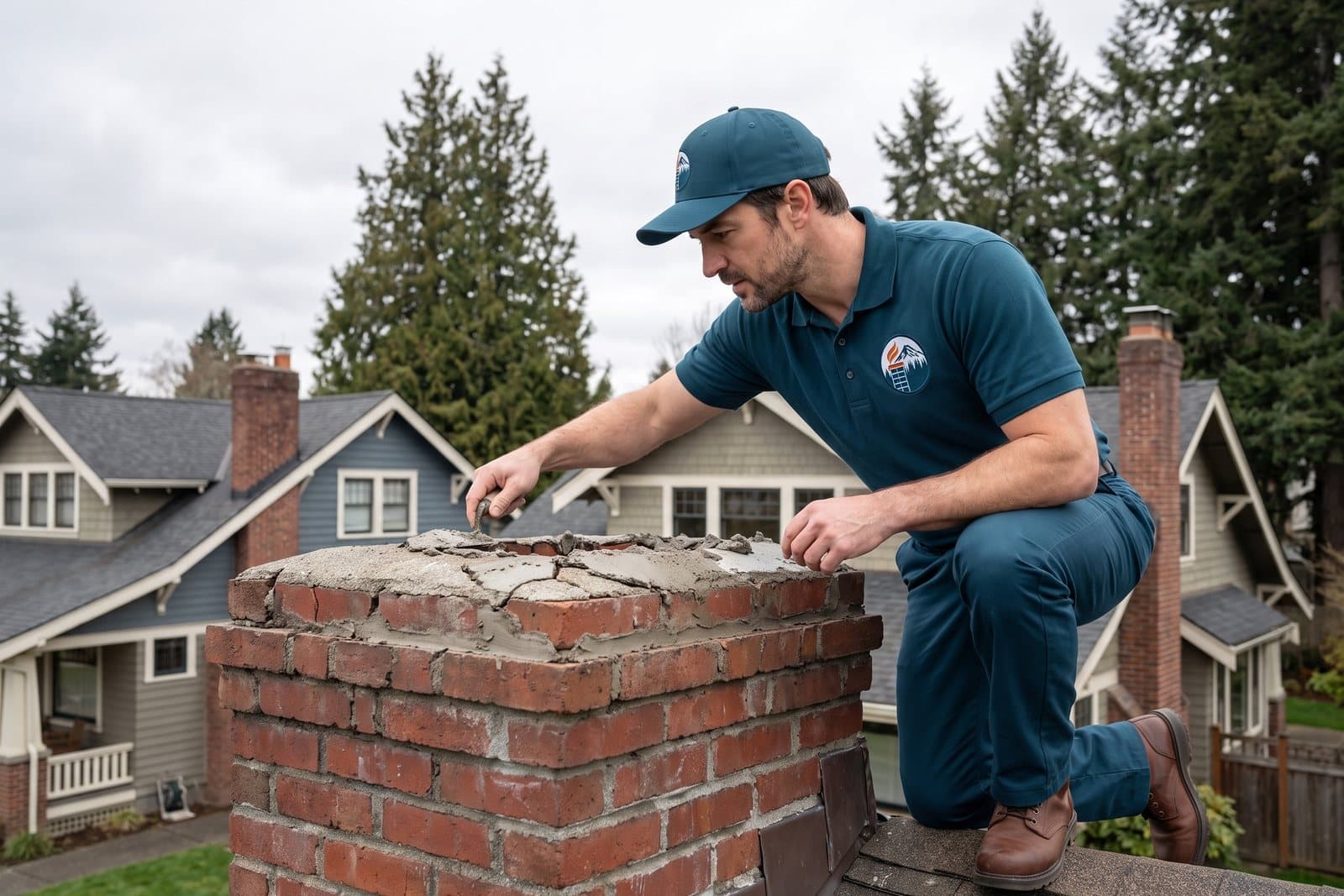
Crown patched, or recast entirely if it can't be saved
Learn moreRanges shown for orientation — the exact figure is written up on-site, after the inspection.
Puyallup was platted by Ezra Meeker in 1877 and grew up on the valley floor, then spread onto the hill above it. That spread shows in the chimneys we meet: census estimates put the median home here at 1987, yet roughly one house in six predates 1960. The older brick stacks sit mostly in and around the original town grid, and the later subdivisions lean toward factory-built fireplaces and wood stoves on metal flues. Each gets swept differently, with different brushes and a different amount of time.
Wood is the main heating fuel in about 0.8% of Puyallup homes, according to the Census Bureau's 2020 to 2024 estimates. Across Pierce County the share is about 1.9%, or roughly 6,700 occupied homes, and statewide it is about 2.8%.
Those households are the ones that load a stove every day from fall to spring, and they are the ones whose flues fill fastest. If wood is truly your only adequate heat, the regional clean air agency also asks you to apply for an exemption in advance so you can keep burning during a ban; that approval is worth having on file before the cold arrives, not after.
Under Puget Sound Clean Air Agency rules, chimney smoke may top 20% opacity for six minutes at most in any hour, and the only permitted fuels in a fireplace or stove are dry, seasoned wood and manufactured logs.
Those two rules and a clean flue work together. Wet wood smolders, darkens the smoke and lays down creosote; dry wood burns hot and leaves far less behind. A sweep removes what is already there, and dry fuel keeps the next layer thin.
Every chimney sweep we do in Puyallup includes:
Smoke coming back into the room, or a smell that won't go? Book the inspection first.
Book nowThe valley floor gets cold at night. The long-running Puyallup experiment station logged about 69 nights a year at or below freezing, more than double the count at the Tacoma station closer to the water. Cold nights mean fires that burn longer and often lower, and a slow, smoldering fire is exactly what leaves the most creosote on a flue wall. A household that burns most evenings from October on can reach a cleaning by midwinter that an annual schedule would not predict.
The Puyallup experiment station averaged just under 40 inches of precipitation a year across its record, with December the wettest month at about 6.2 inches, and it froze on roughly 69 nights a year.
Moisture and soot make a poor pair. Rain that finds its way down an uncapped or cracked flue mixes with deposits and gives that sour, smoky smell many Puyallup owners notice on wet days. Sweeping takes away most of what causes the odor, and the Level 1 check tells you whether water is getting in at the top.
We lay covers from the door to the hearth and seal the fireplace opening so loose soot stays inside the vacuum.
A first set of photos records the flue as we found it, including any glazed or heavy deposits.
Rods and a brush sized to your liner go through the full length of the flue, from the roof or from below, whichever suits the chimney.
After-photos, a short verbal rundown at the hearth, and a written note if the cap, crown or liner needs attention.
What this work is quoted at for Puyallup homes — the exact figure comes from the $99 on-site inspection, credited toward the work.
| Service | Price in Puyallup | What that covers |
|---|---|---|
| Chimney Sweep | $189–$449 | Full flue swept, Level 1 inspection included |
| Chimney Inspection | $99 plus tax | Level 1 visual; Level 2 adds a full camera scan |
| Chimney Relining | From $1,900 | Full-length stainless liner, sized to the appliance |
| Chimney Repair | From $375 | Masonry repair — brick and mortar, scoped after diagnosis |
| Chimney Cap Installation | $265–$750 | Stainless cap fitted; multi-flue and custom at the top |
Ranges are what these jobs are quoted at in Puyallup. The exact figure is set on site after a $99 inspection (credited toward the job if you go ahead), and you approve it before any work starts.
Puyallup is a valley city platted by Ezra Meeker in 1877, at the heart of what was a leading hop-growing region, on the Puyallup River valley, with homes with a median build year of 1987, about 39% of them built before 1980.
PuyallupPierce County, WA · 47.185, -122.293
Before and after
Illustrations of what each repair changes on a typical chimney — not photos of a specific job.
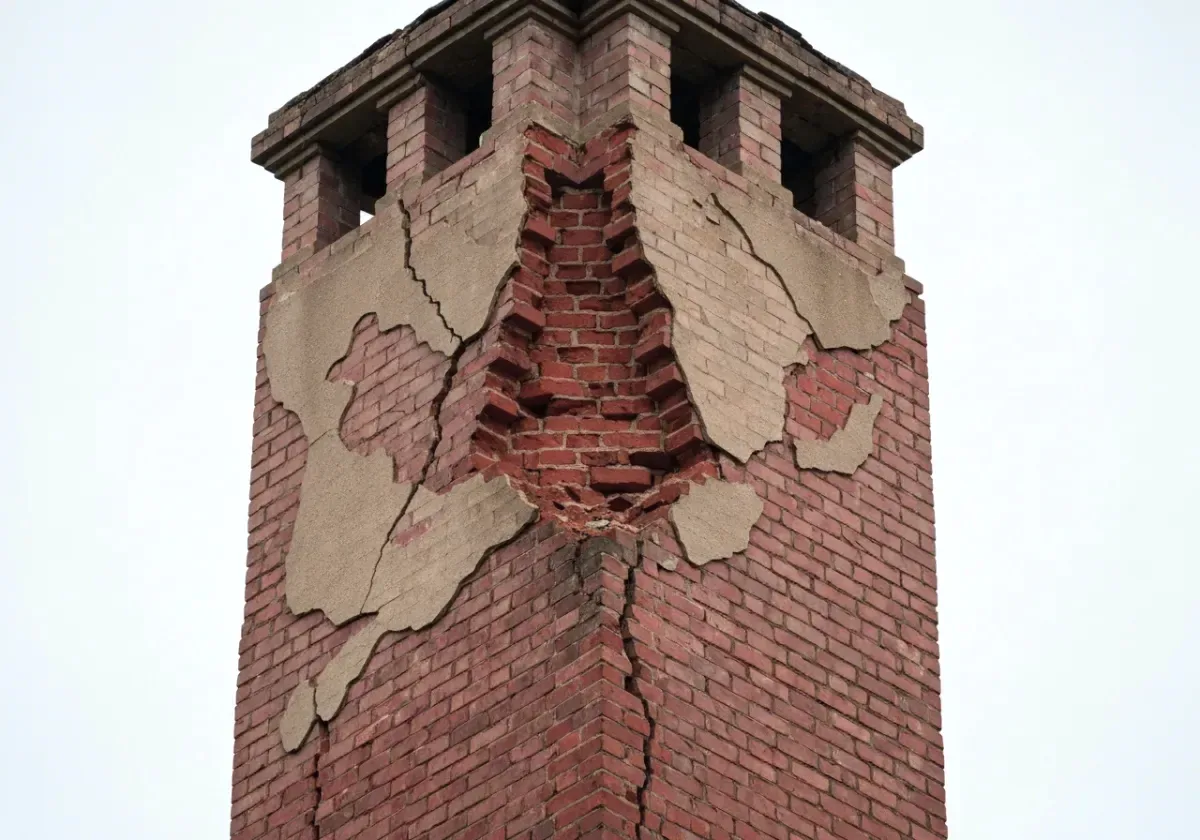 Before
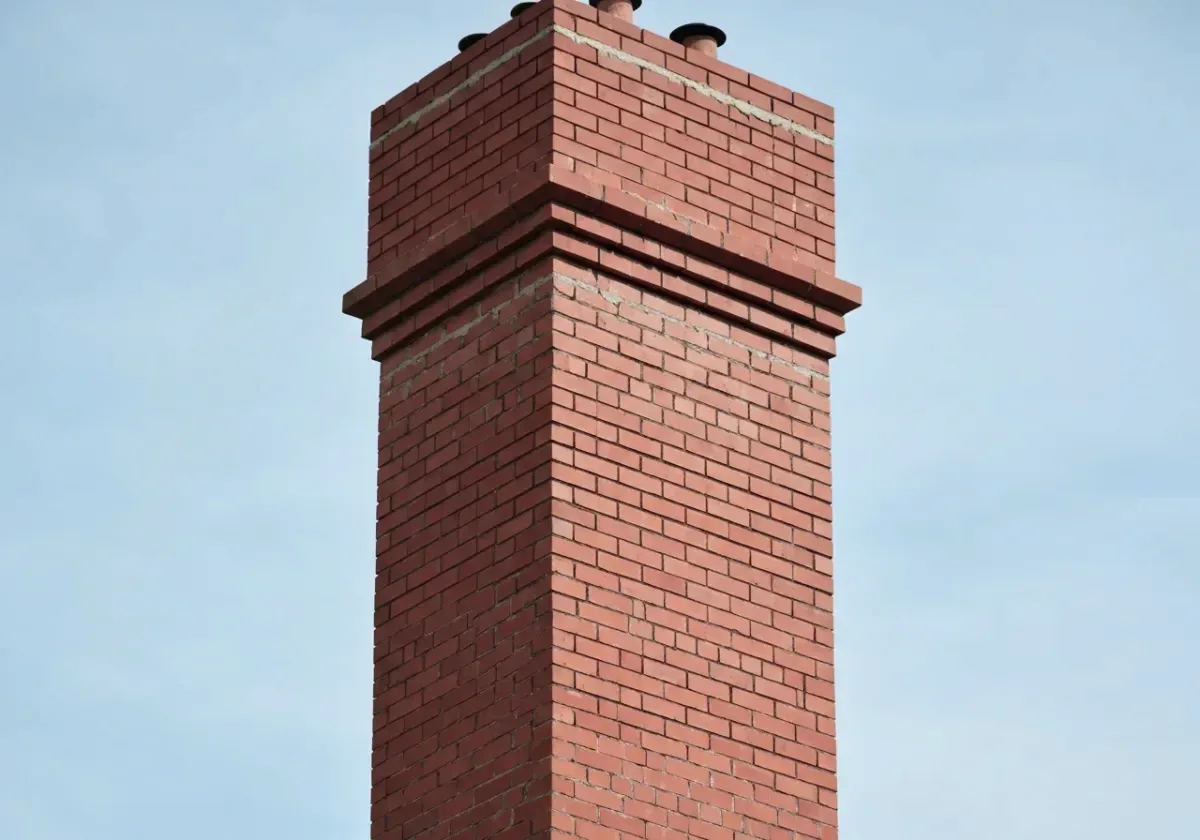 After
After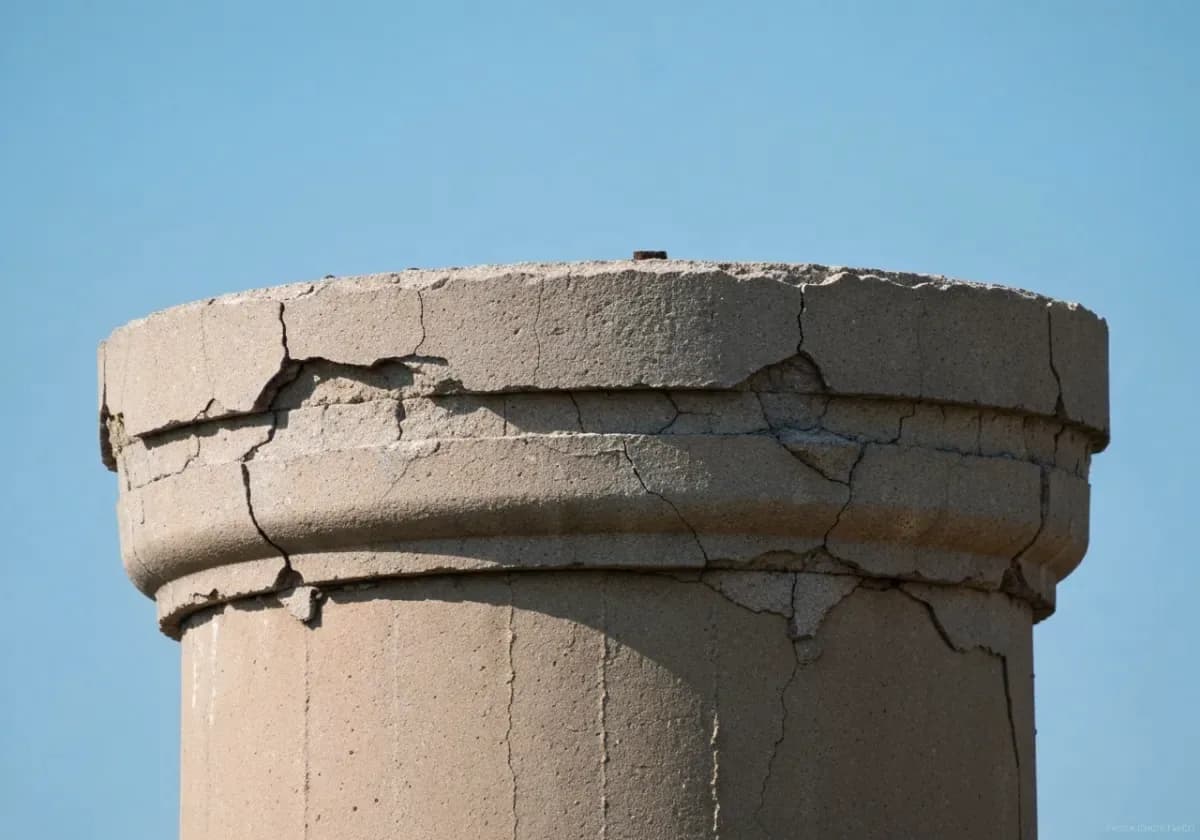 Before
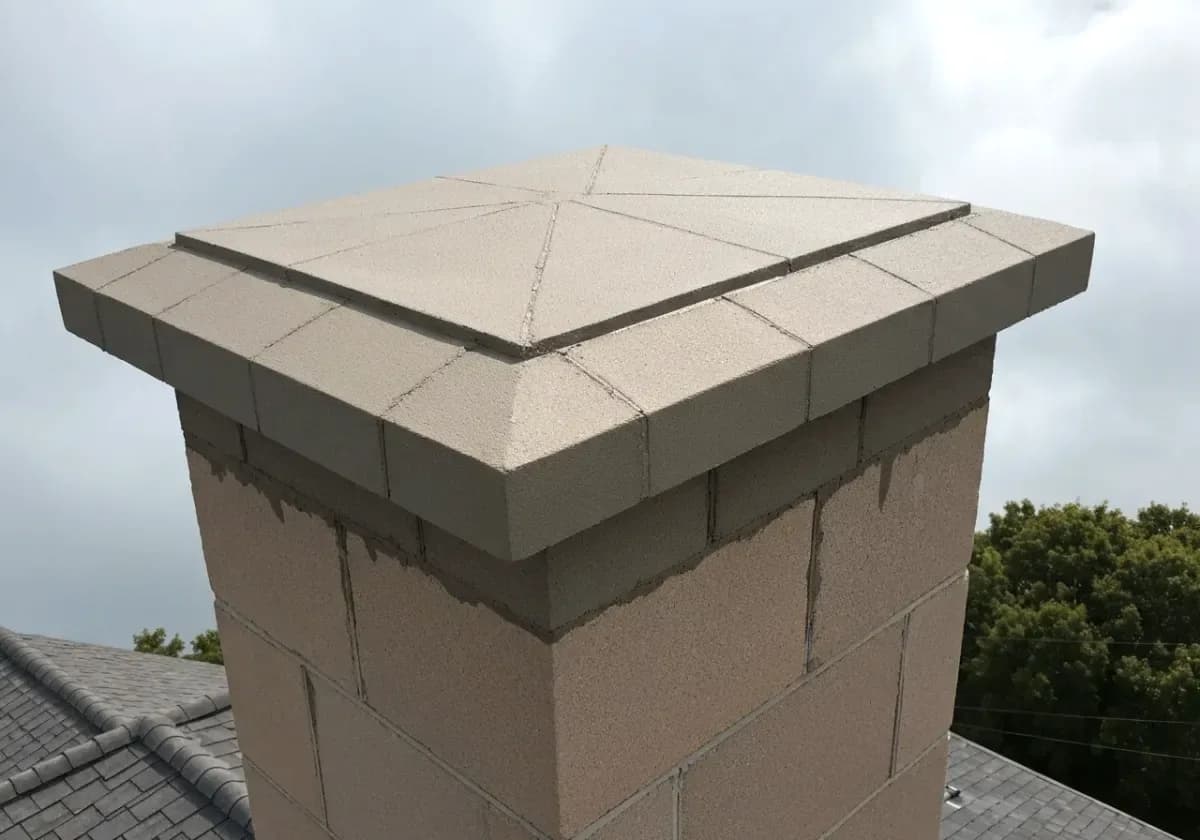 After
After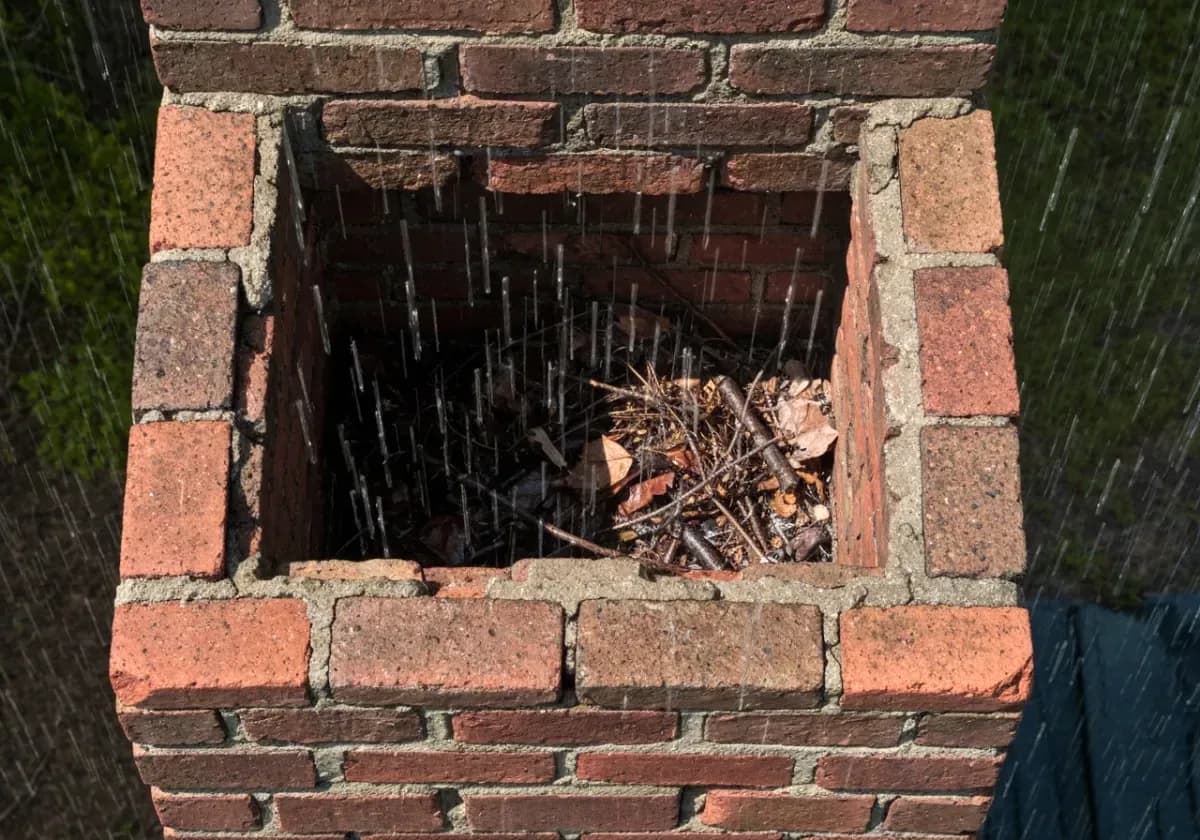 Before
 After
After
Four steps, each one on paper — so you always know what happens next.
Choose a genuine opening on the crew's calendar. Confirmation is immediate.
Liner, crown, cap, flashing and masonry examined in order — each finding photographed.
One document, plain numbers, covering only the work your chimney genuinely needs.
The repair is completed, then handed over with before-and-after photos of every item.
$189 to $449 per flue, with the Level 1 check included. A single open fireplace swept on schedule sits near the low end; a stove flue heavy with creosote, or a steep roof, pushes it up.
Late summer or early fall, before the first cold nights. If you burn nearly every evening through winter, a second cleaning partway through the season is worth considering.
Yes. The brush is matched to the liner, and the stove's own baffle area and connector are cleaned as part of the job.
A $99 on-site inspection, a written quote before any work, and photos of every item we touch.